
 molly@surgitoolssh.com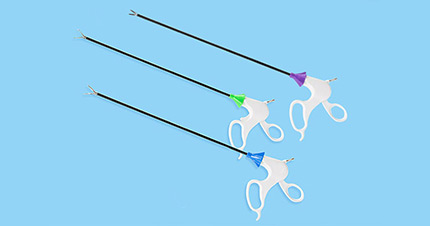



What are Laparoscopic Scissors and Their Role in Minimally Invasive Surgery?
 Oct 09, 2023|
 View:4782
In modern healthcare, minimally invasive surgery has revolutionized how medical professionals approach surgical procedures. At the heart of these advanced techniques lies a crucial instrument: the laparoscopic scissor. These specialized surgical tools have become indispensable in operating rooms worldwide, enabling surgeons to perform complex procedures through tiny incisions with remarkable precision. Understanding what laparoscopic scissors are and their critical role in minimally invasive surgery can help patients make informed decisions about their treatment options and appreciate the technological advances that make safer, faster recovery possible.
Key Takeaways
Laparoscopic scissors are precision surgical instruments designed specifically for minimally invasive procedures, featuring long shafts (typically 33-43cm) and small cutting tips
These instruments enable surgeons to perform delicate tissue cutting and dissection through incisions typically measuring 5-12mm
Multiple types exist for different surgical needs, including straight, curved, hook, and micro scissors
Patient benefits include reduced scarring, hospital stays averaging 2 days versus 4 days for open surgery, less postoperative pain, and lower infection risks
Proper selection and maintenance of these instruments directly impact surgical outcomes and patient safety
What Are Laparoscopic Scissors?
Laparoscopic scissors are specialized surgical cutting instruments designed for use in minimally invasive procedures. Unlike traditional surgical scissors, these tools feature an elongated shaft (typically 33-43cm in length) that allows surgeons to access internal body cavities through small incisions. The cutting mechanism at the tip operates through handles at the proximal end, giving surgeons precise control over tissue manipulation and cutting.
The basic anatomy of a laparoscopic scissor includes three main components: the handle mechanism for surgeon control, the extended shaft that passes through the trocar (a tube-like instrument inserted into the incision), and the functional tip with cutting blades. Modern designs often incorporate insulation along the shaft to prevent unintended thermal injury when used with electrosurgical current, which can simultaneously cut and cauterize tissue to minimize bleeding.

Historical Development
The evolution of laparoscopic scissors parallels the advancement of minimally invasive surgery itself. Early laparoscopic procedures in the late 1980s utilized adapted instruments that were not ideally suited for the task. As surgical techniques evolved throughout the 1990s, instrument manufacturers developed purpose-built tools with improved ergonomics, durability, and functionality. Today's laparoscopic scissors represent decades of refinement based on surgeon feedback and technological innovation.
Types of Laparoscopic Scissors and Their Specific Applications
Different surgical situations require different cutting characteristics, which is why several distinct types of laparoscopic scissors have been developed. Understanding these variations helps illustrate the sophistication of modern surgical instrumentation.
Straight Scissors
Straight laparoscopic scissors feature blades aligned directly with the shaft axis. These instruments excel in procedures requiring straightforward cutting motions and are commonly used for dividing adhesions, cutting sutures, and performing tissue dissection in gynecological and general surgical procedures. Their predictable cutting path makes them ideal for surgeons developing their laparoscopic skills.
Curved Scissors
Curved laparoscopic scissors have blades that curve away from the shaft, providing better visualization of the cutting line and improved access to tissues at angles. Surgeons frequently select these instruments for dissection around curved anatomical structures or when working in confined spaces where the shaft might otherwise obstruct the view.
Hook Scissors (L-Hook or J-Hook)
Hook scissors feature a distinctive hooked blade configuration that allows surgeons to safely engage tissue layers while minimizing the risk of inadvertently cutting adjacent structures. The hook design creates a protected cutting zone, making these instruments particularly valuable in delicate dissection work and when separating tissue planes.
Micro Scissors
Micro laparoscopic scissors feature extremely fine tips designed for precision work on delicate tissues. These instruments are essential in procedures requiring meticulous dissection, such as nerve-sparing surgeries or operations involving small blood vessels and ducts.
| Scissor Type | Primary Use | Key Advantage | Common Procedures |
|---|---|---|---|
| Straight | General cutting and dissection | Predictable cutting path | Cholecystectomy, appendectomy |
| Curved | Angled tissue access | Better visualization | Hysterectomy, colectomy |
| Hook | Safe tissue plane separation | Protected cutting zone | Hernia repair, adhesiolysis |
| Micro | Precision delicate work | Minimal tissue trauma | Nerve-sparing surgery, pediatric procedures |
The Critical Role of Laparoscopic Scissors in Minimally Invasive Surgery
The importance of laparoscopic scissors extends far beyond simple cutting. These instruments serve multiple essential functions that contribute to successful surgical outcomes and patient wellbeing.
Precision Tissue Dissection
During minimally invasive procedures, surgeons must carefully separate tissue layers and structures without causing unnecessary damage. Laparoscopic scissors provide the controlled cutting action necessary for this delicate work. The magnified view through the laparoscope combined with the precise control afforded by quality scissors allows surgeons to dissect tissue planes with accuracy that often surpasses what is possible in open surgery.
Hemostasis and Bleeding Control
Many laparoscopic scissors can be connected to electrosurgical generators, allowing them to cut and coagulate simultaneously. This dual functionality is crucial for maintaining a clear surgical field by minimizing bleeding. Effective hemostasis during laparoscopic procedures significantly reduces operative time and improves visualization, both factors that contribute to better patient outcomes.
Reduced Patient Trauma
The small incisions made possible by laparoscopic techniques, combined with the precise cutting action of specialized scissors, result in significantly less tissue trauma compared to traditional open surgery. According to clinical research, patients typically experience hospital stays averaging 2.1 days compared to 4.4 days for open surgery, with most individuals returning to normal activities within 1-2 weeks rather than 4-6 weeks for equivalent open procedures.
Versatility Across Surgical Specialties
Laparoscopic scissors have found applications across numerous medical specialties. In gynecology, they are essential for procedures like hysterectomies and ovarian cyst removal. General surgeons rely on them for gallbladder removal, hernia repairs, and intestinal procedures. Urologists use specialized versions for prostate and kidney surgeries. This versatility has made minimally invasive approaches the standard of care for many conditions that once required large incisions.
Technical Features That Define Quality Laparoscopic Scissors
Not all laparoscopic scissors are created equal. Several technical characteristics distinguish professional-grade instruments from inferior alternatives, and these differences directly impact surgical performance and patient safety.
Blade Sharpness and Material
The cutting edges must maintain sharpness throughout procedures that may last several hours. High-quality instruments use medical-grade stainless steel or advanced alloys that resist dulling and corrosion. The blade geometry is precisely engineered to provide clean cuts without crushing tissue, which could compromise healing.
Ergonomic Handle Design
Surgeon fatigue during lengthy procedures can affect performance and outcomes. Modern laparoscopic scissors feature ergonomically designed handles that reduce hand strain and provide comfortable grip positions. Some advanced designs incorporate ratcheting mechanisms or spring-loaded handles that further reduce the physical effort required for repetitive cutting motions.
Insulation and Electrical Safety
When used with electrosurgical current, proper insulation along the shaft is critical to prevent stray electrical energy from causing unintended tissue damage. Quality instruments undergo rigorous testing to ensure insulation integrity, and regular inspection protocols help identify any degradation that could compromise patient safety.
Rotation and Articulation Capabilities
Many modern laparoscopic scissors offer 360-degree shaft rotation, allowing surgeons to orient the blades optimally without awkward hand positions. Some advanced models feature articulating tips that can bend at angles, providing access to difficult-to-reach anatomical areas and reducing the need for additional incisions.
| Feature | Patient Benefit | Clinical Data |
|---|---|---|
| Small incision access (5-12mm) | Minimal scarring, reduced pain | Lower infection risk (4.76% vs 9.33% for open surgery) |
| Precision cutting capability | Less tissue damage | Average blood loss: 120mL vs 170mL for open procedures |
| Minimally invasive approach | Faster recovery timeline | Hospital stay: 2.1 days vs 4.4 days for open surgery |
| Ergonomic design | Safer procedures | Reduced surgeon fatigue, consistent performance |
Selecting the Right Laparoscopic Scissors for Different Procedures
Choosing the appropriate laparoscopic scissor for a specific surgical procedure requires consideration of multiple factors, including the anatomical area, tissue characteristics, and the specific surgical goals.
Procedure-Specific Considerations
For abdominal procedures like cholecystectomy (gallbladder removal), straight or slightly curved scissors typically provide optimal performance. Pelvic surgeries often benefit from curved designs that navigate around the bladder and reproductive organs. Thoracic procedures may require longer shaft lengths to reach deep into the chest cavity through limited access points.
Tissue Type Matching
Dense, fibrous tissues require scissors with robust blades and strong closing mechanisms, while delicate structures like blood vessel walls or nerve sheaths demand micro scissors with ultra-fine tips. The choice of instrument should reflect the mechanical properties of the tissues being manipulated to achieve clean cuts without excessive force that might cause tearing or crushing.
Disposable vs. Reusable Instruments
Healthcare facilities must decide between single-use disposable laparoscopic scissors and reusable instruments that undergo sterilization between procedures. Disposable options guarantee sharpness and eliminate sterilization costs but have higher per-use expenses. Reusable instruments require initial investment and ongoing maintenance but can be more economical over time when properly cared for. Each approach has implications for instrument performance, cost management, and environmental impact.
Maintenance and Safety Considerations
Proper care and handling of laparoscopic scissors are essential for maintaining their performance and ensuring patient safety throughout their service life.
Cleaning and Sterilization Protocols
Reusable laparoscopic scissors must undergo thorough cleaning immediately after use to remove all biological material, followed by validated sterilization processes. The narrow channels and complex mechanisms of these instruments require specialized cleaning equipment and techniques to ensure all surfaces are properly decontaminated. Following manufacturer guidelines and healthcare facility protocols is essential for infection control.
Inspection and Quality Assurance
Before each procedure, surgical teams should inspect laparoscopic scissors for blade sharpness, smooth action, intact insulation, and proper electrical function (if applicable). Any instrument showing signs of damage, dullness, or malfunction should be removed from service immediately. Regular maintenance schedules help identify issues before they compromise surgical performance.
Training and Proper Technique
Even the highest-quality laparoscopic scissors require skilled operators to achieve their full potential. Surgeons and surgical teams need comprehensive training in proper handling techniques, appropriate force application, and recognition of instrument limitations. Simulation-based training programs allow practitioners to develop proficiency in a controlled environment before performing procedures on patients.
Future Developments in Laparoscopic Scissor Technology
The field of minimally invasive surgery continues to evolve, and laparoscopic scissors are advancing alongside other surgical technologies to provide even better outcomes for patients.
Robotic Integration
Robotic surgical systems increasingly incorporate specialized scissor instruments that offer enhanced precision through motion scaling, tremor filtering, and intuitive control interfaces. These systems allow surgeons to perform extremely delicate maneuvers with greater consistency than traditional laparoscopic techniques.
Smart Instruments with Feedback Systems
Emerging technologies are adding sensors to laparoscopic scissors that provide real-time feedback about tissue characteristics, cutting force, and proximity to critical structures. These "smart" instruments could help surgeons make more informed decisions during procedures and potentially prevent inadvertent injuries.
Advanced Materials and Coatings
Research into new alloys and surface treatments promises laparoscopic scissors with longer-lasting sharpness, improved tissue interaction characteristics, and enhanced durability. Antimicrobial coatings may further reduce infection risks, while specialized surfaces could minimize tissue adhesion to the blades.
Conclusion
Laparoscopic scissors represent a critical advancement in surgical instrumentation that has fundamentally changed how many procedures are performed. These specialized tools enable surgeons to deliver the benefits of minimally invasive surgery—smaller incisions, less pain, faster recovery, and reduced scarring—while maintaining the precision and control necessary for successful outcomes. From basic straight designs to advanced articulating models with electrosurgical capabilities, the variety of laparoscopic scissors available today reflects the diverse needs of modern surgical practice.
Understanding the different types of laparoscopic scissors, their specific applications, and the technical features that define quality instruments helps both medical professionals select appropriate tools and patients appreciate the sophisticated technology supporting their care. As surgical techniques continue to advance and new technologies emerge, laparoscopic scissors will undoubtedly continue evolving to meet the changing needs of minimally invasive surgery.
For patients facing surgical procedures, knowing that skilled surgeons have access to precision instruments like laparoscopic scissors provides reassurance that modern medicine offers options that minimize trauma while maximizing effectiveness. These remarkable tools exemplify how thoughtful engineering and medical innovation combine to improve healthcare outcomes and enhance quality of life.
Frequently Asked Questions
How do laparoscopic scissors differ from regular surgical scissors?
Laparoscopic scissors feature an elongated shaft (typically 33-43cm) designed to reach internal body cavities through small incisions, while regular surgical scissors have short handles for direct hand use. The extended design allows minimally invasive access without large incisions.
Are laparoscopic procedures with scissors safer than traditional open surgery?
Laparoscopic procedures generally carry lower risks of infection (4.76% vs 9.33% for open surgery), less blood loss (average 120mL vs 170mL), and reduced tissue trauma. However, safety depends on multiple factors including surgeon expertise, patient condition, and the specific procedure being performed.
How long does it take to recover from surgery using laparoscopic scissors?
Recovery times vary by procedure type and individual patient factors, but laparoscopic approaches typically result in hospital stays of 2-3 days compared to 4-5 days for open surgery. Most patients return to normal activities within 1-2 weeks rather than 4-6 weeks for equivalent open procedures.
Can all surgical procedures be performed laparoscopically with these scissors?
Not all procedures are suitable for laparoscopic approaches. Factors like tumor size, anatomical complexity, severe adhesions from previous surgeries, or patient-specific conditions may necessitate open surgery. Surgeons evaluate each case individually to determine the most appropriate approach.
Do laparoscopic scissors require special training to use effectively?
Yes, using laparoscopic scissors requires specialized training beyond traditional surgical skills. Surgeons must develop hand-eye coordination for instruments viewed through a camera, adapt to limited tactile feedback, and master techniques specific to minimally invasive surgery through dedicated training programs.
What should patients ask their surgeon about laparoscopic procedures?
Patients should inquire about their surgeon's experience with laparoscopic techniques for their specific condition, the expected benefits and risks compared to open surgery, anticipated recovery timeline, and what circumstances might require conversion to an open procedure during surgery.