

 molly@surgitoolssh.com



 Aug 11, 2026
 View:150
Healthcare procurement managers and clinical teams balance patient safety guarantees with operational budget realities. They choose between single-use and multi-use surgical instruments during routine product evaluations. Healthcare administrators compare these medical tools across five key decision areas: infection control, total cost of ownership, reprocessing labor, OR turnaround efficiency, and environmental footprint. Implementing a disposable skin retractor impacts daily operating room workflows directly. In addition, selecting an optimal skin retractor improves critical procedural site exposure for clinical personnel. Procurement specialists observe how disposable surgical retractors simplify inventory management across active operating departments. Ultimately, every retractor offers distinct operational benefits for modern medical facilities.
Single-use retractors remove the danger of infection because the factory guarantees they are clean and used only once.
Disposable retractors reduce total expenses by eliminating unseen washing and worker costs.
Operating rooms get ready quicker because single-use instruments do not need any cleaning or repair work.
New single-use retractors give steady tightness and dependable hands-free holding strength.
Difference 1: Infection Control with a Disposable Skin Retractor
Guaranteed Single-Use Sterility
Hospitals always put strict germ control first during every surgery. Straight from its package, a single-use tool offers a totally clean barrier. Companies clean these plastic devices under strict factory conditions before shipping them out. For each new patient, surgical teams open a fresh skin retractor inside the operating room. This factory cleaning promises dependable germ-free protection for every surgical cut.
Using a tool once completely stops germs from passing between different patients. Operating room workers protect patients from leftover body tissue, blood, or dangerous germs. Doctors boost patient safety without needing help from hospital cleaning departments. Surgical teams pick a single-use skin retractor to keep everything germ-free during surgery. Supply managers simplify stock routines while keeping health standards very high.
Biofilm Risks in Reusable Instruments
Reusable metal tools give central cleaning workers very tough job challenges. Old-style metal tools have tiny grooves, moving hinges, and tight joint areas. During surgeries, these tricky shapes often gather tiny bits of body waste. Normal hand scrubbing and machine washing frequently miss dirt hiding inside small cracks. Dried dirt stays stuck inside tiny retractor parts even after basic washing.
Trapped body waste creates a tough shield called a biofilm inside uncleaned cracks. These biofilms block hidden germs from normal heat cleaning and chemical sprays. Hot steam machines cannot always push through thick layers of organic dirt. Because of this, dirty reusable tools carry tiny germs into future surgeries. These hidden germ dangers raise infection rates for many hospital patients [1].
Medical workers remove these constant germ dangers by picking modern single-use tools. A clean skin retractor gives steady holding power without hidden germ dangers. Hospital buying teams strengthen surgery safety rules while making compliance easy across active operating rooms. Surgical suites keep high safety standards using predictable single-use tools.
Difference 2: Total Cost of Ownership for Skin Retractor Options
Low Unit Price vs High Capital Outlay
When choosing medical tools, financial teams carefully examine initial buying expenses. Multi-use metal sets require large upfront investments from hospital operating budgets. Medical centers buy costly stainless steel or titanium tools for years of future use. A multi-use device demands huge cash payments long before doctors start any surgeries. Choosing a single-use skin retractor saves facility money. Facilities avoid tying up essential cash in rigid tool sets.
Buying departments review basic purchase prices for both retractor types. Using a disposable skin retractor allows flexible spending based on daily surgical needs. Hospital supply managers buy precise tool quantities matching current surgical schedules. This smart strategy stops pricey stock from sitting unused inside supply closets. Surgical suites direct inventory spending without locking funds in expensive metal devices. The retractor table below shows standard initial price ranges for hospital supply buyers:
| Product Type | Price Range / Cost |
|---|---|
| Disposable Skin Retractors | $12 to $50 per unit |
| Reusable Retractor Sets | $35.24 to $250.00 initial cost |
Hidden Reprocessing and Labor Overhead
Unseen daily expenses quickly raise overall spending for a reusable skin retractor. Cleaning department staff spend many hours washing tools after surgical cases. Facilities cover employee wages for hand scrubbing, chemical baths, and tray wrapping. Cleaning workers check every retractor hinge under bright lights to verify proper working condition. Special soaps, enzymatic liquids, and ultrasonic washers add continuous costs to regular operations.
Hot steam cleaning runs create high energy bills during normal hospital days. Autoclaves use massive amounts of power and pure water throughout hot steam cycles. Cleaning rooms also use single-use wraps, testing tape, and sterile bags every single day. Selecting a sterile skin retractor removes these high cleaning costs completely. Health centers get reliable cost tracking while keeping high tool quality standards. Facility directors protect overall budgets successfully while running smooth workflows across every department. A clean retractor simplifies daily stock tracking for surgical teams.
Looking to Cut Reprocessing Costs While Boosting Patient Safety?
Compare disposable vs reusable retractors for your facility with a free cost-benefit analysis from Segimed.
Request Free Cost AnalysisDifference 3: Maintenance Labor and CSSD Workflow Demands
Zero-Maintenance Single-Use Convenience
A single-use skin retractor skips cleaning, fixing, and rebuilding after surgeries. Surgical workers grab fresh, sterile packages right before starting a medical procedure. This quick process removes all cleaning work for hospital teams completely.
Picking disposable tools speeds up operating room prep times by a lot. Hospital staff clear room space much faster between patient visits today.
These specific steps show clear worker labor time savings:
| Time Component | Time Saved (minutes) |
|---|---|
| Staff kit organisation | 60 |
| Procedure setup | 15 |
| OR time | 14 |
| Post-procedure | 10 |
Choosing a disposable retractor improves daily hospital work plans. Nurses waste far less time sorting heavy supply sets. Overall, using a sterile skin retractor creates smoother operations across busy operating rooms.
Multi-Step Reprocessing Protocols
Multi-use metal tools create extra daily tasks for sterile supply teams. Cleaning staff must sort, soak, scrub, and wash every single metal tool after every surgery. These complex jobs take many hours of work from trained hospital staff.
Cleaning teams need to check every tool closely using strong overhead lights. Workers search hidden joints for dirt, proper alignment, and bad surface wear. Broken pieces demand fast professional fixes or total item replacements. In contrast, using a single-use retractor completely ends these non-stop repair tasks. Surgical teams keep patients safe while removing extra cleaning work across all departments.
Difference 4: Operational Efficiency of Disposable Surgical Retractors
Immediate OR Readiness and Hands-Free Tension
Surgical teams open sterile packs directly inside operating rooms. A single-use skin retractor provides immediate surgical site access without setup delays. Self-retaining mechanisms hold precise positions through ratchet or spring tension systems. These components eliminate continuous manual holding by surgical assistants during long surgical procedures.
Operating room staff achieve predictable workflows across daily schedules. Sterile packs remain ready for back-to-back operations and emergency cases. The retractor maintains continuous tissue retraction without slipping during complex cases. Nurses organize surgical suites quickly between scheduled patients.
Consistent Performance vs Wear and Dulling
Reusable instruments suffer from mechanical wear over continuous usage cycles. In contrast, disposable surgical retractors deliver fresh factory tension for every operation. Every retractor provides constant holding force without mechanical fatigue. Sterile consumables eliminate frequent inspection routines for equipment managers. Hospitals eliminate structural failure risks during complex surgical operations.
Recent hospital trials demonstrate clear efficiency improvements across operating departments:
15% reduction in total operative time when disposable retractors were preloaded onto robotic arms, as demonstrated in 2022 pilot programs, resonating with high-throughput hospitals seeking efficiency gains.
A 2023 case study from a 700-bed South Korean tertiary hospital implementing disposable laparoscopic kits for appendectomy and hernia repair over six months recorded notable operational gains:
| Metric | Reported Improvement |
|---|---|
| OR turnover time | 25% reduction |
| Overall OR costs per procedure | 12% reduction |
Clinical staff rely on a fresh skin retractor for steady holding strength. Each skin retractor maintains structural stability throughout active use. Selecting a sterile skin retractor optimizes procedural efficiency while supporting surgical throughput.
Difference 5: Environmental Impact and Healthcare Waste Management
Regulated Plastic Waste Disposal
Modern health centers create controlled medical trash through daily work routines. Choosing a single-use plastic skin retractor adds more solid trash volume following any surgery. Hospital workers throw these light plastic devices right into special red biohazard bins. Certified trash pickup companies move the gathered items away safely. These expert teams burn plastic medical items in special burning furnaces that follow tight government rules.
Facility safety managers track medical trash very closely during regular site checks. Extremely hot medical burning turns plastic devices into safe ash while totally killing all hidden germs. This closed trash control system stops dirty single-use tools from ever going straight into local landfills. Surgical teams follow strict health sanitation rules while handling solid trash effectively.
Water and Energy Reprocessing Footprint
Multi-use surgical tools affect the environment differently because they constantly use natural resources. Main cleaning departments run large automatic washing machines and hot steam sterilizers every day. These huge washing tools consume lots of electric power and clean water through repeated washing steps. Surgery suites pay steady power bills long after buying sturdy metal tools for daily operations.
Cleaning rules also call for chemical soaps, special cleaning liquids, and extra rinsing agents for metal tools. Cleaning workers wash every multi-use retractor completely to clear body waste before using steam machines. Cleaning centers then drain processed dirty water into city sewer pipes all day long. These endless washing steps waste valuable local power supplies and clean water during every shift.
A single-use skin retractor removes all water use inside central cleaning rooms. Buying managers compare the green balance between solid plastic trash and heavy steam power use. Picking a sterile skin retractor moves environmental impact from active utility use over to controlled trash handling. As a result, choosing any surgical device directly impacts total facility green scores.
Advanced Clinical Solutions: Segimed Disposable Skin Retractor
Segimed functions as a certified ISO 13485 and FDA-compliant factory. The business makes creative surgical supplies for modern surgery rooms. The Segimed disposable skin retractor delivers steady body exposure during difficult operation procedures. This adjustable retractor tool aids surgical teams in keeping hands-free clear sight lines. Light plastic frames join with stretchy stays to grip body tissue firmly. Doctors place hooks smoothly to create steady retractor pulling force without helper tiredness.
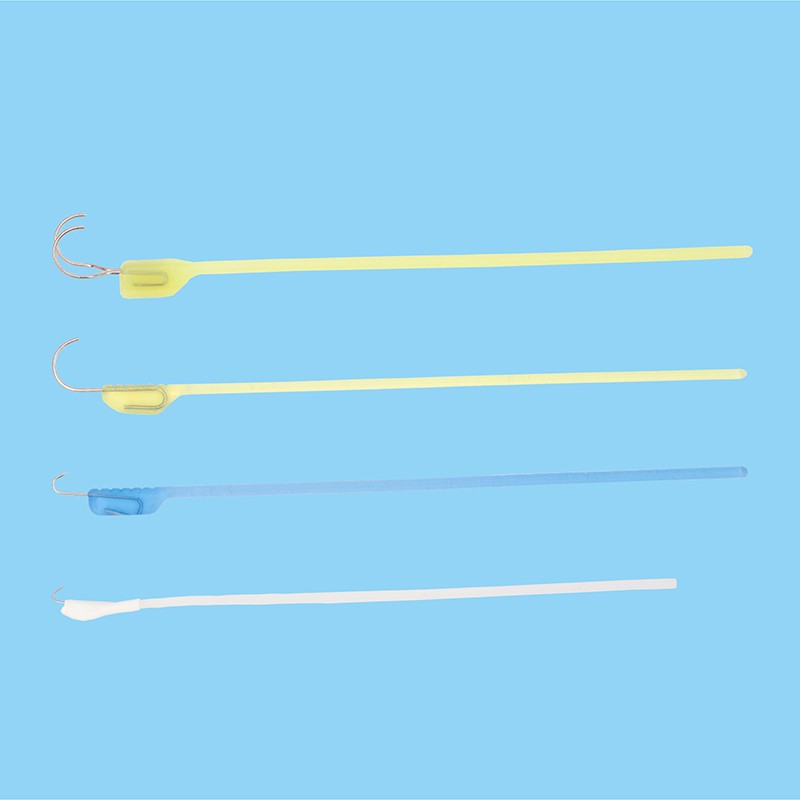
Versatile Hook Options and Elastic Stays
Doctor teams pick distinct hook designs to fit delicate body tissues. The Segimed skin retractor connects with elastic stays for firm gripping strength. Every skin retractor hook keeps steady tissue lift without sliding away. Doctors safeguard patient health by picking suitable hook points for every surgical cut. Clean single-use tools stop germ spread risks between back-to-back operation cases.
The chart below shows the available hook choices for the Segimed disposable skin retractor:
| Hook Configuration | Model Numbers | Clinical Application |
|---|---|---|
| Sharp 3 mm | SG1601-H-1 / H-2 / H-6 | Precise engagement for fine tissue lifting |
| Sharp 5 mm | SG1602-H-1 / H-2 / H-6 | Suited for broader incision retraction |
| Blunt 12 mm | SG1603-H-1 / H-2 / H-4 | Gentle retraction for sensitive or fragile tissue |
| Two-Bifurcate 12 mm | SG1604-H-1 / H-2 / H-4 | Double-prong design for even tension distribution |
Multiple Frame Dimensions for Diverse Surgeries
Segimed produces different frame sizes to fit various body needs. Operation teams use these disposable surgical retractors across basic and specialized medical areas. Models SG1601-R through SG1607-R supply square and round options for distinct body parts. Small frame dimensions like 14.1x14.1cm fit tight surgical cuts nicely. Bigger frame designs up to 28.3x25.0cm offer open sight during broad soft tissue work.
Choosing correct frame sizes improves vision during many medical operations. A well-sized skin retractor holds firm pulling power while saving helpful work space. Hospital workers position each skin retractor fast to speed up case setups. The self-retaining skin retractor frame secures elastic stays safely. Surgery spaces get steady outcomes using a sterile skin retractor for all patients.
Ready to Upgrade Your OR with Disposable Skin Retractors?
Contact Segimed for free samples, full product specifications, and custom pricing for your facility.
Request Free SamplesBig regional hospitals rely on heavy, reusable metal tools to hold body parts in place during long operations. On the other hand, fast-moving surgery rooms and day-surgery clinics get clear work benefits from a single-use skin retractor.
This disposable skin retractor improves patient safety because it is always completely clean and free of germs out of the box. Plus, single-use surgical retractors remove hard cleaning tasks and help nurses prepare rooms faster between patients. Medical staff reduce everyday extra costs without losing any control during important operations.
Hospital supply buyers need to look at every skin retractor choice very carefully. Segimed makes great medical tools built for modern operating rooms today. Surgical teams can reach out to Segimed right now to get free test items and full product specs.
FAQ
What materials make up a disposable skin retractor?
Makers build a single-use skin retractor using clean, germ-free plastic. These light frames partner with stretchy stays to keep body tissues pulled back firmly during surgeries.
Which retractor hook options support delicate tissues?
Surgical teams pick sharp 3mm or 5mm hooks to lift thin body tissues. Otherwise, doctors choose 12mm blunt or two-pronged hooks to shield soft areas while operating.
How does a disposable skin retractor lower infection risks?
Clean factory packaging ensures a totally germ-free product straight from the box. Using tools once stops germs from spreading, since cleaning staff never wash them again.
What retractor frame dimensions accommodate larger incisions?
Retractor sizes span from small 14.1x14.1cm frames to larger 28.3x25.0cm choices. Nurses select bigger frame options so doctors can clearly view wide surgery sites during operations.