

 molly@surgitoolssh.com



 Aug 17, 2026
 View:255
In modern minimally invasive surgery, key factors like leak-proof safety, puncture resistance, and size options decide overall clinical success. Choosing durable tissue retrieval bags ensures effective contamination prevention and reliable defense against fluid leaks. If a intraoperative pouch ruptures during a laparoscopic procedure, it creates severe risks, including port-site seeding, widespread contamination, and surgical site infection. A strong laparoscopic retrieval bag provides safe specimen isolation while removing tissue. Using high-integrity pouches improves operating room workflow, enhances surgical safety, and saves money for hospitals. Standardized laparoscopic specimen retrieval systems consistently deliver reliable contamination prevention and strong protection, offering crucial defense against cross-contamination.
| Regulatory Framework | Mandatory Compliance Requirement |
|---|---|
| CE Marking (EU) | Class IIa medical device certification under EU MDR Rule 7. |
| EN ISO 13485:2016 | Certified quality management standard for sterile device manufacturing. |
| US FDA Clearance | Class II device standards with 510(k) exempt status meeting general controls. |
Bags that do not leak lower surgical site infections by as much as seventy percent.
Thermoplastic Polyurethane bags offer high tear resistance against sharp tissue during surgery.
Automatic spring rings open retrieval bags quickly to speed up operating room workflows.
Matching the size of the organ to the bag's volume prevents tears and stops internal fluid leaks.
Using the right size trocar port helps instruments slide in smoothly and keeps the area clean and safe.
Safety Standards for Laparoscopic Specimen Containment
Ensuring Safe Specimen Containment
Safely wrapping tissue ensures complete specimen isolation during complex laparoscopic procedures. Sealing surgical specimens inside leak-proof pouches offers strong bacterial infection prevention and routine contamination prevention. This protective containment method lowers surgical site infection rates by 60–70% compared to unprotected specimen removal [1]. Proper tissue containment stops liquid leaks and prevents malignant cell seeding along abdominal wall port sites. Safe tissue isolation drops port-site metastasis risks from 1–2% down to near zero during oncological procedures. High performance laparoscopic containment pouches offer essential tissue protection against surgical contamination.
Strong retrieval bags deliver reliable patient safety and consistent contamination prevention across all minimally invasive operations. International medical device regulators establish mandatory safety standards to check product quality, system quality, and operational quality during specimen extraction:
Automatic Deployment and Closure Systems
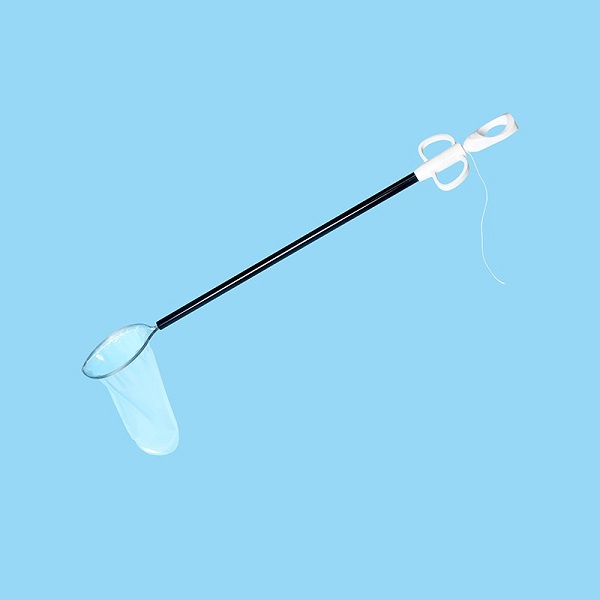
Modern laparoscopic retrieval bags use flexible rim memory to open automatically. Built-in nitinol spring rings expand the pouch opening right away after entering the abdominal cavity. Surgical teams no longer need two separate graspers to hold tissue pouches open by hand. This smooth auto-expansion cuts surgical retrieval time and supports continuous infection risk reduction. Fast bag deployment speeds up operating room workflows while keeping the surgical team safe. Pouch rim flexibility delivers superior pouch protection during deployment.
A dedicated pull-string mechanism provides secure specimen pouch closure before tissue extraction. Closing the bag completely prevents accidental fluid leakage, pouch rupture, and severe abdominal contamination. This strong material construction offers high mechanical protection against sharp tissue fragments during tough tissue retrieval. Choosing disposable retrieval bags ensures complete specimen retrieval while maintaining surgical safety and robust contamination prevention. Pouch seal integrity keeps reliable barrier protection and specimen protection, helping reach effective infection control and complete cross-contamination elimination during laparoscopic organ removal.
Puncture Resistance in Disposable Retrieval Bags
TPU Material Durability vs Standard Polymers
Surgical teams need tough tissue pouches during complicated laparoscopic surgeries. Older materials like polypropylene or basic polyurethane usually lack enough stretching strength. They tear easily when touching sharp tissue pieces or hardened medical masses. Thermoplastic Polyurethane (TPU) gives better strength for modern specimen collection bags. Top-grade TPU has amazing pulling strength and springiness. This material stretches under strong physical force without ripping apart. Modern laparoscopic collection bags provide superior tear protection. Material flexibility helps surgical workers safely enclose large organs during normal operations.
| Material Property | Thermoplastic Polyurethane (TPU) | Traditional Polypropylene | Standard Polyurethane |
|---|---|---|---|
| Tensile Strength | Superior resistance to tearing | Moderate strength under force | Low durability under load |
| Puncture Resistance | High elasticity under stress | High risk of sharp breaks | Prone to pinhole tears |
| Structural Memory | Maintains flexible shape | Rigid deformation | Limited elastic recovery |
Surgitools Disposable Retrieval Bags use advanced TPU building methods. This material removes the danger of breaking during tough laparoscopic removals. The flexible collection bag material stops ripping when doctors move dense tissue. Strong material strength lowers the danger of leaking during hard surgical steps. TPU design gives crucial leak protection while removing organs. Dependable material strength ensures good pollution prevention during tissue removal. Regular factory quality checks guarantee steady pouch strength under heavy strain. Great manufacturing quality promises steady protection for surgical patients. Strong pouch walls easily resist unexpected rips during hard tissue moves.
Preventing Tears During Laparoscopic Morcellation
Cutting tissue into smaller pieces creates special surgical challenges for keeping specimens safely contained. Gripping tools and sharp blades can accidentally poke holes in weak tissue pouches. Surgitools makes tough collection bag systems that handle sharp laparoscopic tools during mechanical tissue cutting. The strong plastic wall resists cuts from sharp holding clamps. High material thickness stops sharp bone or tissue bits from poking through the pouch wall. Doctors get complete tissue isolation without weakening the protective barrier. Top-grade disposable collection bags protect belly tissues. Reliable material thickness keeps specimen contents safe inside the pouch constantly.
The advanced design includes flexible edge memory and extra-strong material borders. The shape-remembering metal ring keeps the bag mouth open during tissue loading. Reinforced borders spread physical stress evenly across the whole pouch surface. This structural reinforcement stops focused strain that causes total pouch breaking. Surgical teams easily catch, cut, and remove dense organs through narrow entry points. Smooth force spreading keeps physical stability when pulling heavy tissue samples through small cuts.
A dependable collection bag gives complete pollution prevention inside the belly area. Holding dangerous fluids stops wide belly pollution across surgical places. Complete tissue separation shortens operating room cleaning times and avoids secondary tissue pollution. Surgitools collection bags keep their structural strength during tissue removal steps. Superior specimen protection stops tissue spilling and removes surgical infection dangers. Pouch quality stays strong during long laparoscopic removal steps. Choosing a tough collection bag gives essential protection against rips. Using an approved collection bag promises top protection, great working speed, and complete safety during laparoscopic tissue removal. It stops surgical area pollution and removes cross-bed contamination.
Looking for High-Puncture-Resistance TPU Specimen Retrieval Bags?
Request free product samples and custom pricing for CE/FDA-certified laparoscopic retrieval bags from Segimed.
Get Free Samples & QuoteSize Options for Tissue Retrieval Bags
Choosing the right size pouch keeps tissue locked away safely during keyhole surgeries. Surgical teams figure out the organ size first to pick the best bag volume. Getting the size right shields the body, stops leaks, and avoids simple mistakes during surgery.
Matching Volume Capacities to Surgical Procedures
Surgitools makes bags in many sizes to help with different medical needs. Doctors pick tiny 60ml bags to grab small tissue samples. Medium bags holding 100ml to 400ml work great for standard gallbladder removals. Surgeons pick larger 700ml to 1200ml bags for bigger ovary tumors. Big fibroid removals need giant 1600ml bags so the entire tissue fits inside.
Picking the right bag size stops the plastic from breaking inside the body. Stuffing a small bag stretches the sides and makes it snap open easily. Using the right pouch makes pulling the tissue out easy and keeps the plastic from ripping. The chart below shows how bag size affects the chance of a pouch bursting:
| Bag Volume Selection | Relationship to Intraoperative Rupture Risk |
|---|---|
| Too small for tissue | Forces material overstretching and increases rupture risk during retrieval |
| Correctly sized | Accommodates specimen comfortably and lowers structural wall strain |
| Incorrect size choice | Causes bag failure, fluid spillage, and difficult specimen removal |
| Rupture event | Exposes surgical field to tissue contamination and fluid leakage |
| Modern bag design | Uses tear-resistant materials to secure fluid contamination prevention |
Putting tissue into a bag that is too big creates extra plastic folds inside the belly. These bulky folds make it hard to pull the bag out through thin tubes. But picking a tiny bag stretches the plastic way too far. A broken pouch spills germs, dirty fluids, and dangerous cells inside the patient. Matching the organ size perfectly offers top protection against belly messes when removing tissue.
Compatibility with Trocar Port Sizes
Keyhole tools must fit smoothly through the entry tubes placed in the patient. These surgical tubes usually range from 5mm to 12mm wide on the inside. Simple bags without metal rings slide easily through tiny 5mm entry tubes. Larger bags with metal rings use special push tubes to pass through 10mm or 12mm ports.
| Trocar Port Size | Compatibility Requirements for Laparoscopic Instruments |
|---|---|
| 5 mm port | Fits thin pouch bags without rigid rings for smaller tissue retrieval |
| 10 mm port | Accepts standard retrieval bag introducers and camera devices |
| 12 mm port | Accommodates large tissue retrieval bags and heavy stapling instruments |
The small EB-0060 bag model slides right into a 5mm port to pull out tiny tissues. Normal models like EB-0100 through EB-1200 need a 10mm tube to enter safely. The giant EB-1600B model needs a 12mm tube so the heavy deployment ring passes into the belly. Using the right port size speeds up work, stops friction, and protects the surgical spot.
Forcing a bag into the wrong tube size damages the tool as it goes in. Doctors keep the area clean and safe by matching tools to the exact sizes listed. Picking the right tube width stops tools from jamming, guards the bag, and keeps germs from spreading. Matching parts correctly keeps the patient safe and helps the doctor pull tissue out smoothly.
Selecting the Right Laparoscopic Retrieval Bag
Procedural Guidelines for Surgical Teams
Surgical teams check key medical details before picking a bag for keyhole surgery. Doctors view body scans to guess the size of the tissue sample. For basic gallbladder surgeries, doctors choose a small 100ml specimen pouch. Complex uterus removals need a larger bag to hold the specimen safely. Surgical teams check tool sizes so every instrument fits together smoothly. Doctors pull the bag opening outside the belly wall before taking tissue out. This smart step keeps the pouch material from stretching too much. Loading the sample correctly stops leaks, tear damage, and belly infection during surgery.
Using single-use sterile bags helps keep the operating room clean and safe. Single-use bags remove device cleaning costs and shorten work times for staff. Strong collection pouches stop liquid leaks and block germs across all keyhole operations.
| Evaluation Criterion | Operational Selection Focus |
|---|---|
| Clinical reliability | Durable material prevents tissue contamination during specimen removal |
| Sterile single-use safety | Single-use design eliminates cross-patient contamination risks |
| Budget efficiency | Disposable pouch systems reduce device cleaning steps |
Segimed Solutions for Clinical Procurement
Hospital buying teams balance product quality, patient safety, and budget limits. Segimed, also called Surgitools Medical Instruments Co., Ltd., makes top keyhole tools for global hospitals. The company uses a clean factory room to promise great product quality. Strict germ checks ensure every item stays clean and safe. Global badges like CE, EN-ISO 13485:2016, and US FDA clearance show high production rules [2].
Segimed makes a strong TPU bag that shields against dangerous leaks. The spring ring opens by itself to help grab specimens fast during surgery. Thick bag walls give complete tissue protection against sharp tool cuts. This smart design stops belly messes and blocks dangerous germ leaks. Hospitals can try free product samples before buying certified pouches. Fast shipping lines ensure steady global delivery for surgical centers. Using standard safety bags improves patient care and gives strong protection against germs.
Doctors get the best surgical results by focusing on essential product features. Tough plastic pouches resist sharp punctures, self-opening designs speed up keyhole surgeries, and picking the correct size stops pouch bursting while removing organs. Superior collection bags offer full tissue isolation. This protective enclosure blocks cell spreading and cuts down body infection rates during minimally invasive operations. Proper organ isolation offers strong pollution defense and essential tissue shielding.
Supply managers prevent germ spreading and broad body contamination hazards by buying approved medical tools. Regulated collection systems ensure strict safety rules when pulling out tissue samples. Medical centers looking for trustworthy surgical pouches can team up with reputable suppliers like Segimed for approved collection products. Segimed offers top-quality bag choices that ensure great pollution defense, tissue shielding, and strong barrier safety.
FAQ
What materials ensure the durability of a laparoscopic retrieval bag?
Thermoplastic Polyurethane gives a laparoscopic retrieval bag high tensile strength. This strong material stops rips when taking out tissue samples. It provides great physical protection and top quality against sharp edges. TPU pouch walls prevent unexpected liquid leaks during tissue removal.
How do disposable retrieval bags assist with contamination prevention?
Surgical teams use disposable retrieval bags to separate damaged tissue inside the body. The closed bag prevents cell spreading. It offers dependable pollution prevention during simple keyhole surgeries. This shield guards inner belly walls from widespread pollution during tissue collection.
Why should surgical teams avoid over-stretching a specimen pouch?
Stretching a specimen pouch too far damages its strong plastic material. Jamming big tissue into small retrieval bags makes walls burst open. A broken pouch spills liquid. This tear spreads germ pollution inside the surgery area and lowers shield safety during tissue removal.
Which trocar port sizes fit a laparoscopic retrieval bag?
Small 60ml pouches slide through 5mm trocar ports with ease. Normal size choices fit 10mm ports. Surgical teams pick 12mm ports for big tissue removals. Matching port sizes prevents tissue pollution and allows easy specimen removal during keyhole extraction.