

 molly@surgitoolssh.com



What is the bag used for in laparoscopic surgery?
 Oct 26, 2026|
 View:4448
In modern minimally invasive surgery, specialized containment devices play a critical role in safely removing tissue samples and organs through small incisions. These sterile collection systems, known by various names including retrieval bags, specimen pouches, and endocatch bags, have become standard tools in surgical practice by enabling surgeons to extract biological materials without contaminating the surrounding area. This comprehensive guide explores their functions, types, and importance in contemporary surgical practice.
Key Takeaways
Retrieval bags are sterile containment devices used to safely remove tissue, organs, and specimens during laparoscopic procedures
These pouches prevent contamination, reduce infection risk, and protect the abdominal wall during extraction
Specimen pouches come in various sizes ranging from 5mm to 15mm diameter for different surgical needs
Endocatch bags reduce the risk of port-site metastasis in cancer surgeries
Modern retrieval systems feature impermeable materials, secure closure mechanisms, and enhanced visibility designs
What Are Laparoscopic Retrieval Bags?
Laparoscopic retrieval bags are specialized medical devices designed to contain and extract tissue specimens, organs, or foreign objects during minimally invasive surgical procedures. These sterile pouches are inserted through small trocar ports, typically measuring between 5mm and 15mm in diameter, allowing surgeons to collect materials inside the abdominal cavity before removal.
The primary purpose of a specimen pouch is to create a protective barrier that isolates potentially contaminated or malignant tissue from healthy surrounding structures. According to research published in surgical journals, the use of these containment systems has become standard practice in procedures ranging from gallbladder removal to complex oncological surgeries.

Primary Functions of Specimen Retrieval Bags
Contamination Prevention
One of the most crucial functions of retrieval bags is preventing the spread of infectious materials or malignant cells. When removing organs such as the gallbladder, appendix, or tumor masses, there is a significant risk that contents could spill into the peritoneal cavity. The endocatch bag creates a sealed environment that contains bile, pus, blood, or cancerous tissue, preventing potential complications.
Studies have shown that proper use of specimen pouches is associated with a lower risk of surgical site infections compared to unprotected extraction methods. This protection is particularly vital when dealing with perforated or inflamed organs that may contain harmful bacteria.
Protection of Incision Sites
The abdominal wall incisions used in laparoscopic surgery are intentionally small to minimize trauma and accelerate healing. However, extracting specimens directly through these openings can cause damage to the port site, including tearing, bleeding, or introducing infection. A retrieval bag acts as a protective sleeve, allowing larger specimens to be removed without direct contact with the wound edges.
This protection is especially important when removing sharp objects, calcified tissues, or irregularly shaped organs that could otherwise lacerate the incision during extraction. The smooth, durable material of the specimen pouch guides the material through the opening safely.
Prevention of Port-Site Metastasis
In cancer surgeries, one of the most concerning complications is port-site metastasis, where malignant cells implant at the trocar incision sites. Published oncology literature reports that without proper containment, the risk of this occurrence can be as high as 1-2% in certain cancer types. The use of an endocatch bag substantially reduces this risk by completely isolating cancerous tissue from the abdominal wall.
Professional surgical organizations strongly recommend the use of retrieval systems in all oncological laparoscopic procedures.
Types and Specifications of Retrieval Bags
| Bag Type | Port Size Required | Bag Capacity | Common Applications |
|---|---|---|---|
| Small Specimen Pouch | 5mm | 100-200ml | Tissue biopsies, small lymph nodes |
| Standard Retrieval Bag | 10mm | 200-400ml | Gallbladder, appendix, small tumors |
| Large Endocatch Bag | 12-15mm | 400-800ml | Organs, large tissue masses |
| Extra-Large Specimen Pouch | 15mm | 800ml-2L | Kidneys, spleens, large specimens |
Note: sizes and capacities are typical industry ranges; confirm with the manufacturer's product specifications.
Material Composition
Modern retrieval bags are manufactured from medical-grade materials designed to be impermeable to fluids while maintaining flexibility and strength. Most specimen pouches utilize polyurethane or reinforced polymer films that resist tearing even when containing sharp or irregular specimens. These materials undergo rigorous biocompatibility testing to ensure they do not cause adverse reactions within the body.
The thickness of the bag material typically ranges from 50 to 100 microns, providing adequate strength without excessive bulk that would complicate insertion through small ports. Many designs incorporate transparent or translucent materials, allowing surgeons to visually confirm the specimen is fully contained before extraction.
Closure Mechanisms
Secure closure is essential for retrieval bag function. Contemporary designs employ various mechanisms including drawstring closures, zipper-like seals, and cinching systems. The drawstring method remains the most common, featuring a cord that runs through the bag's opening and can be tightened to create a sealed pouch once the specimen is inside.
Advanced endocatch bag designs may include double-closure systems for added security, particularly important in oncological cases where no leakage can be tolerated. The closure mechanism must be simple enough to operate through laparoscopic instruments while providing reliable containment.
Common Surgical Procedures Using Retrieval Bags
Cholecystectomy (Gallbladder Removal)
Laparoscopic cholecystectomy is one of the most frequently performed procedures utilizing specimen pouches. The gallbladder, often containing bile and sometimes gallstones, poses a contamination risk if removed without proper containment. A retrieval bag prevents bile spillage, which could lead to chemical peritonitis or infection. The bag also facilitates removal of the gallbladder even when it is inflamed, enlarged, or contains multiple stones.
Appendectomy
In laparoscopic appendix removal, especially when the appendix is perforated or gangrenous, the endocatch bag is critical for preventing the spread of infectious material throughout the abdominal cavity. The contaminated appendix is placed directly into the specimen pouch, sealed, and then extracted, reducing postoperative infection rates.
Oncological Resections
Cancer surgeries, including removal of portions of the colon, kidney, liver, or reproductive organs, require meticulous use of retrieval systems. Whether performing a nephrectomy for kidney cancer or resecting a section of colon affected by malignancy, surgeons rely on specimen pouches to prevent tumor cell seeding. Guidelines from oncological surgery associations mandate the use of these bags in virtually all laparoscopic cancer operations.
Gynecological Procedures
Procedures such as ovarian cystectomy, myomectomy (fibroid removal), and hysterectomy commonly employ retrieval bags. These surgeries often involve morcellation, where larger specimens are fragmented inside the sealed bag to allow extraction through small incisions. This technique has become standard practice following concerns about spreading undiagnosed malignancies during tissue fragmentation (guidance from obstetrics and gynecology professional associations).
Insertion and Deployment Techniques
The process of using a retrieval bag requires specific technical steps. The specimen pouch arrives in a collapsed state within a deployment device that fits through the trocar port. Once inside the abdominal cavity, the surgeon manipulates the deployment mechanism to open the bag, creating a receptacle for the specimen.
Using laparoscopic graspers, the surgeon carefully maneuvers the specimen into the opened bag. Visual confirmation through the laparoscope ensures the entire specimen is contained. The closure mechanism is then activated, sealing the bag before extraction begins. Depending on specimen size, the port site may need slight enlargement, though the bag protects the incision edges during this process.
For larger specimens, the bag may be exteriorized with the specimen still inside, allowing fragmentation or morcellation to occur outside the body or within the protected confines of the sealed pouch. This technique balances the benefits of small incisions with the need to remove substantial tissue volumes.
Looking for Sterile Disposable Retrieval Bags?
Segi Medical supplies CE-certified disposable laparoscopic retrieval bags, specimen pouches and ripstop designs in multiple sizes. Contact the factory for specifications, samples or a quotation.
Get a QuoteClinical Benefits and Safety Advantages
| Clinical Benefit | Impact | Evidence Level |
|---|---|---|
| Reduced surgical site infection | Lower infection rates vs unprotected extraction | Clinical studies |
| Prevention of port-site metastasis | Substantially reduced tumor seeding | Multiple clinical trials |
| Protection of incision integrity | Reduced tissue trauma and healing time | Observational data |
| Improved specimen integrity | Better pathological examination | Expert consensus |
Research published in peer-reviewed surgical journals demonstrates that the consistent use of specimen pouches correlates with improved patient outcomes across multiple metrics. Postoperative complication rates decrease, hospital stays shorten, and long-term oncological outcomes improve when retrieval bags are properly utilized (guidelines from gastrointestinal and endoscopic surgery societies).
Potential Complications and Limitations
While retrieval bags offer substantial benefits, surgeons must be aware of potential issues. Bag rupture, though rare with modern designs, can occur if the specimen contains particularly sharp edges or if excessive force is applied during extraction. When rupture occurs, the protective benefit is compromised, potentially exposing tissues to contamination.
Deployment difficulties may arise in patients with extensive adhesions or limited working space within the abdominal cavity. In such cases, surgeons may need to employ alternative techniques or use different bag sizes to successfully contain the specimen.
The cost of these single-use devices can be a consideration, particularly in resource-limited healthcare settings. However, the expense is generally offset by reduced complication rates and improved patient outcomes. Some healthcare systems have explored reusable retrieval systems, though concerns about sterilization effectiveness have limited their adoption.
Advances in Retrieval Bag Technology
Recent innovations have enhanced the functionality and safety of specimen pouches. Manufacturers have developed bags with enhanced visualization features, including color-coded systems and radio-opaque markers that improve visibility under fluoroscopy. Some advanced designs incorporate antimicrobial coatings that provide additional protection against bacterial contamination.
Ergonomic deployment mechanisms have simplified the insertion process, reducing operative time and technical difficulty. Spring-loaded opening systems and pre-shaped bags that automatically assume an open configuration have made these tools more user-friendly, especially for less experienced surgeons.
The development of ultra-strong, thin-walled materials has allowed for larger bag capacities without requiring bigger trocar ports. These next-generation materials maintain impermeability while offering greater flexibility and tear resistance compared to earlier designs.
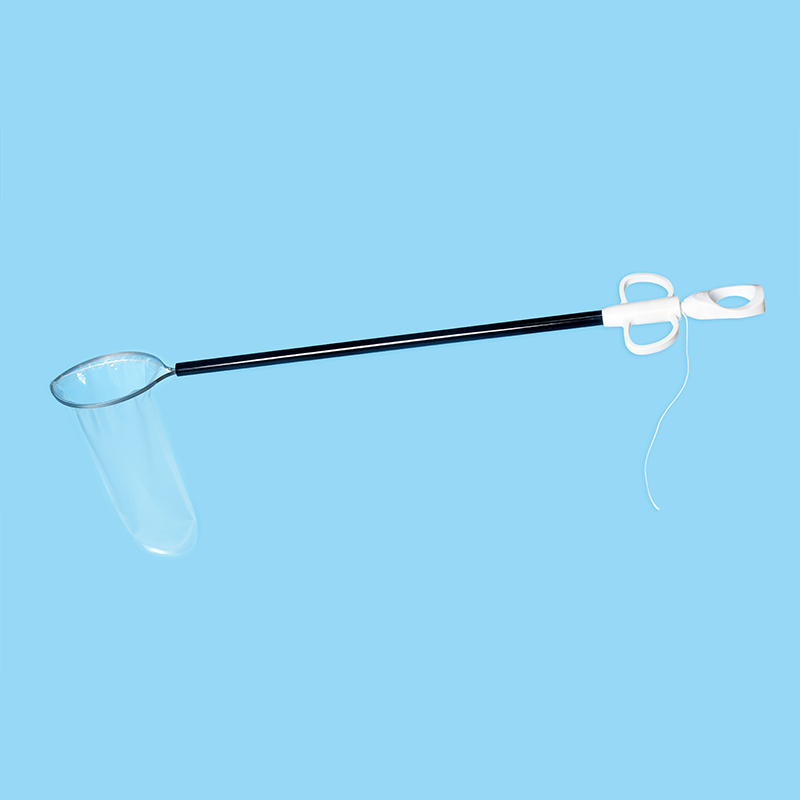
Disposable Redeployable Ripstop Retrieval Bags
Reopenable ripstop specimen bags for reliable multi-step containment during laparoscopic procedures.
View Product
Disposable Retrieval Bags
Sterile single-use retrieval bags in multiple sizes for safe specimen extraction through trocar ports.
View Product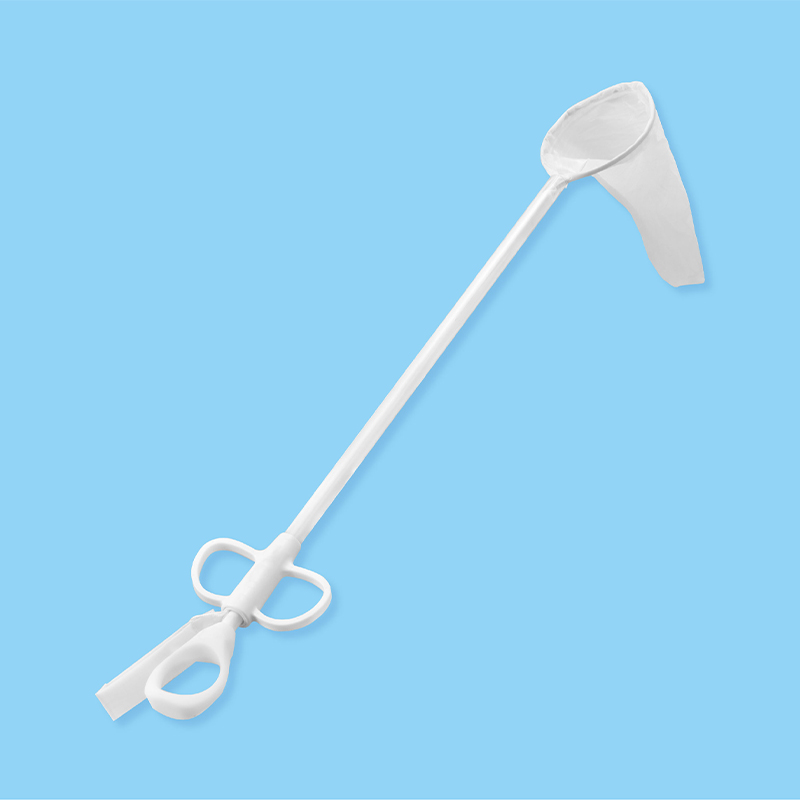
Disposable Ripstop Retrieval Bags
Tear-resistant ripstop specimen pouches with secure closure for contaminated or fragile specimens.
View ProductSelection Criteria for Surgical Teams
Choosing the appropriate retrieval bag requires consideration of several factors. Specimen size and characteristics are primary determinants—surgeons must estimate the volume and texture of the tissue to be removed. For procedures with predictable specimen sizes, such as standard cholecystectomy, protocol-driven selection is straightforward. For more variable situations, having multiple bag sizes available is prudent.
The nature of the specimen also influences choice. Potentially infectious material may warrant bags with reinforced construction and more secure closure mechanisms. Malignant tissues require highly reliable containment, often leading surgeons to select premium endocatch bag designs with proven track records in oncological applications.
Port size limitations dictate which retrieval systems can be used in a given procedure. Surgical teams must balance the desire for minimal invasiveness with the practical need for adequate bag capacity and ease of deployment.
Summary
Retrieval bags, specimen pouches, and endocatch bags represent essential components of modern laparoscopic surgery. These specialized containment devices serve multiple critical functions: preventing contamination of the surgical field, protecting incision sites from trauma, and reducing the risk of port-site metastasis in cancer operations.
Available in various sizes and configurations, these tools accommodate procedures ranging from simple tissue biopsies to complex organ removals. Their use has become standard practice across surgical specialties, supported by clinical evidence demonstrating improved patient safety and outcomes.
As laparoscopic techniques continue to evolve, retrieval bag technology advances in parallel, offering surgeons increasingly sophisticated solutions for safe specimen extraction. The integration of these devices into surgical protocols reflects the medical community's commitment to minimizing invasiveness while maximizing patient safety—a hallmark of contemporary surgical care.
Request Specifications for Laparoscopic Retrieval Bags
Segi Medical is a manufacturer of disposable laparoscopic instruments and retrieval systems. Get technical data sheets, sterilization details and pricing for your next project.
View Our ProductsContact UsFrequently Asked Questions
Not every laparoscopic procedure requires a retrieval bag. They are essential when removing potentially contaminated tissue, malignant specimens, or organs that could leak harmful contents. Simple diagnostic laparoscopy or procedures without tissue removal typically do not require specimen pouches.
While modern endocatch bags are highly durable, rupture can occur if subjected to excessive force or sharp specimen edges. Quality bags undergo rigorous strength testing and failures are rare. Surgeons inspect bags visually before extraction to ensure integrity remains intact.
By isolating malignant tissue from the abdominal wall and surrounding structures, the bag creates a physical barrier preventing cancer cells from implanting at incision sites. This containment reduces port-site metastasis, a serious complication in cancer surgery.
Surgeons may employ morcellation techniques, fragmenting the specimen inside the sealed bag to reduce its size for extraction. Alternatively, the incision can be slightly enlarged while the bag protects the wound edges. In some cases, conversion to open surgery may be necessary.
The vast majority of specimen pouches are single-use, sterile devices disposed of after each procedure. This ensures complete sterility and eliminates concerns about contamination from previous uses. Single-use design also guarantees optimal material integrity for each surgery.
No special patient preparation is required. The use of a retrieval bag is part of standard surgical technique and does not affect preoperative protocols. Patients undergo the same preparation as for any laparoscopic procedure, with the bag use being a technical detail of surgical execution.
References and Notes
National Center for Biotechnology Information, peer-reviewed research on specimen retrieval systems in laparoscopic surgery: https://www.ncbi.nlm.nih.gov/pmc/articles/PMC6261168/.
American College of Surgeons, professional recommendations for oncologic laparoscopic procedures: https://www.facs.org/for-medical-professionals/news-publications/news-and-articles/.
American College of Obstetricians and Gynecologists, clinical guidance for gynecologic procedures: https://www.acog.org/clinical.
Society of American Gastrointestinal and Endoscopic Surgeons, published guidelines: https://www.sages.org/publications/guidelines/.