

 molly@surgitoolssh.com



 Jul 14, 2026
 View:550
| Complications Reduction | Tissue Trauma | Procedure Efficiency |
|---|---|---|
| Fewer complications and better outcomes | Less trauma, higher success rates | Shorter procedures and improved safety |
Both reusable and disposable retractors play important roles in modern operating rooms. Surgimed's Disposable Skin Retractor offers secure, reliable performance with enhanced hygiene for various surgical needs.
Key Takeaways
Use a skin hook retractor to improve visibility and access during surgery while minimizing tissue trauma.
Choose the right type of retractor—disposable for hygiene and infection control, reusable for durability in complex procedures.
Inspect retractors for cleanliness and defects before use to ensure patient safety and effective performance.
Apply gentle, steady traction to avoid tissue damage; always monitor for signs of stress like blanching or tearing.
Maintain a 90-degree angle between the hook and tissue to evenly distribute force and reduce the risk of tearing.
Communicate clearly with your surgical team to ensure everyone is aware of movements and adjustments during the procedure.
Regularly release and reposition retractors during longer surgeries to prevent ischemic damage to the tissue.
Consider using Surgimed Disposable Skin Retractors for reliable performance and enhanced hygiene in surgical settings.
Skin Hook Retractor Overview
What Is a Skin Hook Retractor
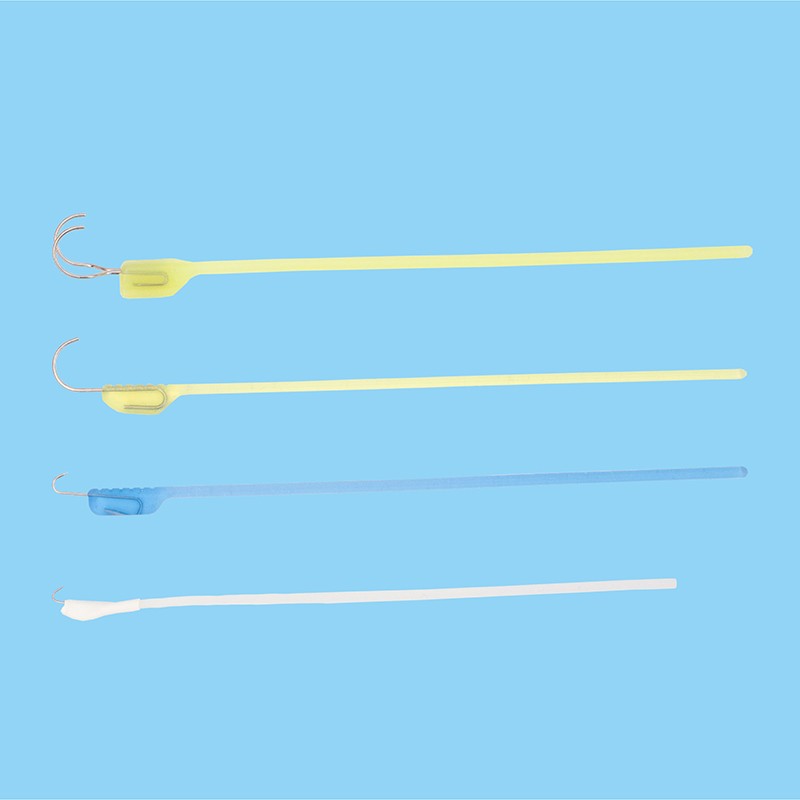
A skin hook retractor is a specialized surgical instrument designed to gently lift and hold the edges of skin or soft tissue during procedures. This tool features a slender handle with a small, curved hook at one end. The hook allows surgeons to retract skin with precision, providing a clear view of the underlying structures. Skin retractors come in various sizes and shapes, making them suitable for different surgical applications. The main goal of using a skin hook retractor is to improve visibility and access while minimizing trauma to the tissue.
Common Uses in Surgery
Skin retractors play a vital role in many types of surgery. They are especially important in reconstructive surgery, Mohs micrographic surgery, trauma surgery, and dermatologic procedures. Surgeons use these instruments for tasks such as managing incisions, elevating flaps, exploring wounds, and performing precise closure techniques. These steps are critical for reducing scarring and promoting proper healing.
The following table shows how different sizes of skin hook retractors are used in various procedures:
| Instrument | Procedures (n) | Usage (n) | Usage (%) |
|---|---|---|---|
| Skin hook 5 mm curved | 19 | 8 | 42.1 |
| Skin hook 3 mm curved | 19 | 5 | 26.3 |
This data highlights the frequent use of skin retractors in a range of surgical settings.
Types: Reusable vs. Disposable
Skin retractors are available as both reusable and disposable options. Reusable skin retractors are usually made from medical-grade stainless steel or titanium. They are durable and can withstand repeated sterilization cycles. Disposable skin retractors, such as the Surgimed Disposable Skin Retractor, are made from high-grade medical polymers and are designed for single use. This design eliminates the risk of cross-contamination and ensures a sterile instrument for each procedure.
| Feature | Reusable Skin Hook Retractors | Disposable Skin Hook Retractors |
|---|---|---|
| Material | Medical-grade stainless steel or titanium | High-grade medical polymers |
| Cost | $6 to over $500 | Generally less expensive, single-use only |
| Performance | Durable, withstands sterilization cycles | Eliminates cross-contamination, ideal for short procedures |
Choosing the right type of skin retractor depends on the specific needs of the surgery. For procedures where infection control is a top priority, disposable options like the Surgimed Disposable Skin Retractor offer a safe and efficient solution. For longer or more complex surgeries, reusable models may be preferred for their durability. Both types play a crucial role in supporting surgical teams and improving patient outcomes.
Preparation for Surgery
Proper preparation is essential for safe and effective use of a skin hook retractor in surgery. Each step, from instrument inspection to patient readiness, helps prevent complications and supports the best possible outcomes. Attention to sterile technique and careful setup protects both the patient and the surgical team.
Instrument Inspection and Sterilization
Before any procedure, every skin hook retractor must be carefully inspected. Cleanliness and structural integrity are critical. Under a bright light or magnification, check for any debris, cracks, or defects. Pay close attention to areas like hinges, joints, and serrations, as these spots can trap particles that may interfere with sterilization or function.
Instruments should be inspected for cleanliness and absence of defects under lighted magnification. Box locks, serrations, crevices, and other hard-to-clean areas should be examined for cleanliness. Deposits left on instruments may prevent sterilization from being achieved and may dislodge in the patient. Box locks should be inspected for minute cracks. Cracks are an indication that breakage is imminent. Other common areas where cracks may appear include hinges, lumens, and the base of needle jaws. Jaw movement, jaw alignment, and ratchet function should be checked on all hinged instruments. Joints should work smoothly, and jaws should be in perfect alignment and not overlap. Ratchets should close easily and hold securely. Joint movement can be tested by opening and closing the instrument several times. The instrument should close and release with ease. Stiff joints can be caused by inadequate cleaning, resulting in minute particles remaining in the joint. Stiffness can also result when water used to clean instruments contains impurities that collect in the joint. Joints that are stiff should be recleaned if necessary and lubricated with a water-soluble lubricant before they are packaged for sterilization.
Sterilization is the next step. Steam sterilization is the most common method for instruments that can handle heat and moisture. This process is reliable and widely available in healthcare settings.
Steam sterilization is the most commonly used method for sterilizing instruments. Instruments that can tolerate repeated exposure to the moisture and high temperature of steam should be steam sterilized. Steam sterilization is an economical and reliable method available in almost every health care facility. Items sensitive to heat and moisture are sterilized using alternative methods, such as ethylene oxide and hydrogen peroxide gas plasma.
Disposable skin retractors, like those from Surgimed, arrive pre-sterilized and ready for immediate use, reducing the risk of infection.
Setting Up the Surgical Field
A well-organized surgical field supports safe and efficient use of skin hook retractors. The setup should allow for easy access to all instruments and clear visibility of the surgical site. Best practices include:
Apply gentle traction to respect the tissue and avoid blanching or distortion.
Maintain a 90-degree angle between the hook and tissue surface to evenly distribute force and reduce tearing risk.
Gradually increase tension on self-retaining retractors to allow tissue to accommodate.
Position retractors at structurally sound points, avoiding fragile areas and vital structures.
Periodically release and reposition retractors during longer procedures to prevent ischemic damage.
These steps help maintain tissue integrity and support the chosen technique throughout the surgery.
Patient and Skin Preparation
Patient safety begins with thorough preparation. Clean the skin around the surgical site with an approved antiseptic. Mark the incision area clearly to guide the surgical team. Drape the patient to expose only the area needed for the procedure, which helps maintain a sterile environment.
Check the patient's medical history for allergies or sensitivities to antiseptics or draping materials. Confirm that all monitoring equipment is in place and functioning. Proper preparation reduces the risk of infection and supports a smooth, safe surgery.
Looking for Reliable Disposable Skin Retractors?
Explore Surgimed's range of sterile, single-use skin retractors designed for safety and precision in every procedure.
Request a Quote NowSafe Handling and Use
Proper Grip and Positioning
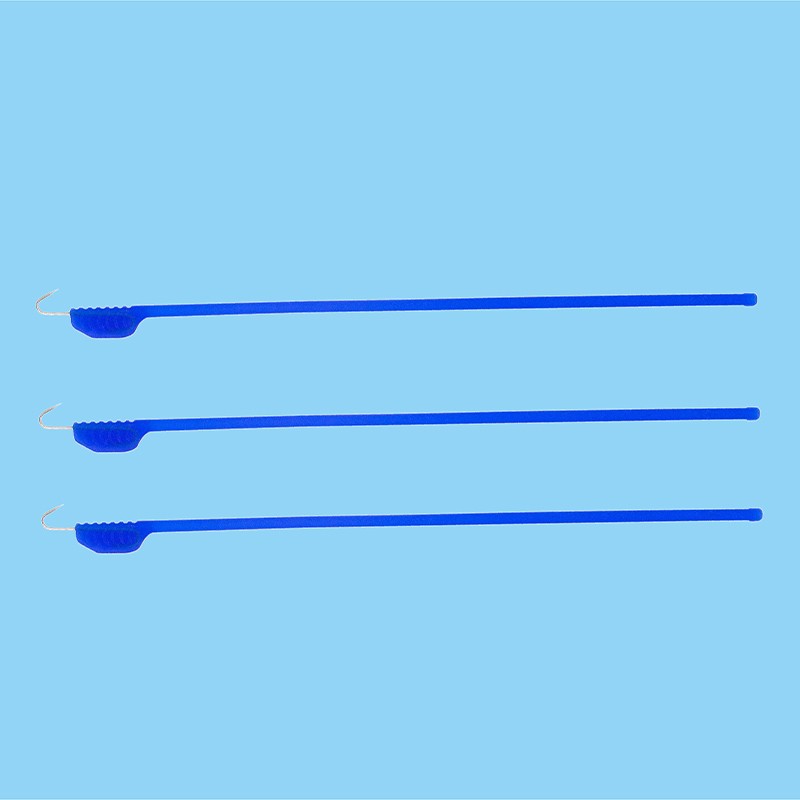
Correct grip and positioning of the skin hook retractor are essential for safety and effective surgical exposure. Hold the instrument with a relaxed but secure grip, using your thumb and index finger. This grip allows for precise control and reduces hand fatigue during surgery. Position your hand so that the hook points away from your palm and toward the tissue edge. Keep your wrist straight to maintain stability and prevent accidental slips.
Surgeons should always align the hook at a right angle to the tissue surface. This 90-degree rule helps distribute force evenly and reduces the risk of tearing. Place the hook at a structurally sound point on the skin or fascia, avoiding fragile or thin areas. For sharp hooks, use extra caution to avoid puncturing the tissue. Blunt hooks are better for thicker or more delicate tissue, as they provide gentle retraction without cutting.
Engaging the Dermis or Fascia
To engage the dermis or fascia, gently insert the hook into the edge of the tissue. Avoid sudden movements. Use only the amount of force needed to lift the tissue slightly. For sharp hooks, touch the tissue lightly and avoid deep penetration. For blunt hooks, slide the tip under the tissue edge and lift with care.
Check that the hook is secure but not causing blanching or tearing. If the tissue appears stressed or pale, reposition the hook to a stronger area. Always watch for changes in tissue color or texture, as these can signal excessive tension or poor blood flow.
Applying Tension Safely
Applying tension is a key part of using a skin hook retractor. The goal is to provide enough pull to improve visibility without causing damage. Increase tension slowly, allowing the tissue to adjust. Never jerk or pull quickly, as this can lead to tears or bruising.
Avoiding Excessive Force
Excessive force can harm the tissue and lead to complications. Use only the minimum tension needed for surgical exposure. Distribute tension evenly across the tissue surface to avoid pressure points. Follow these evidence-based techniques to minimize trauma:
| Technique | Description |
|---|---|
| Minimize Tissue Crush | Distribute tension evenly across the tissue surface to avoid localized pressure points. |
| 90-Degree Rule | Maintain a right angle between the hook and tissue to reduce tearing risk. |
| Gradual Tension Increase | Increase tension in small increments to allow tissue to accommodate, preventing excessive strain. |
| Strategic Placement | Position retractors at structurally sound points, avoiding fragile areas. |
| Periodic Release | Regularly release and reposition retractors to maintain tissue perfusion and prevent ischemia. |
Maintaining Control
Maintaining control of the surgical tool is vital for safety. Keep your hand steady and your focus on the tissue at all times. If you need to adjust the hook, release tension first, then reposition. Do not hand off the retractor without warning the surgical team. Good communication prevents accidental slips and keeps the field safe.
Respect the tissue by applying only gentle traction necessary for visualization.
The 90-degree rule helps distribute force evenly, reducing the risk of tearing.
Gradually increase tension to allow tissues to adjust, similar to easing into a stretch.
Place retractors strategically to avoid fragile areas and vital structures.
Periodically release retractors to prevent prolonged pressure and maintain tissue health.
Safe handling and use of the skin hook retractor support better outcomes in surgery. Following these steps helps maintain tissue health, improve visibility, and ensure the highest standards of safety in the operating room.
Safety Tips and Precautions
Ensuring safety during surgery is essential for both the patient and the surgical team. The following tips and best practices help prevent complications and support optimal outcomes when using a skin hook retractor.
Preventing Tissue Damage
Tissue damage can lead to delayed healing, scarring, or even infection. Proper technique and careful handling are key to protecting the skin and underlying structures.
Select the correct size and type of retractor for the procedure. A smaller hook is better for delicate areas, while a larger one provides stronger support for thicker tissue.
Engage only the dermis or fascia, not deeper layers. This reduces the risk of tearing or bruising.
Apply gentle, steady traction. Avoid sudden movements or excessive pulling.
Monitor the tissue for signs of stress, such as blanching, tearing, or changes in color.
Reposition the retractor if you notice any tissue damage or if the surgical exposure becomes inadequate.
Reducing Infection Risk
Infection is a serious concern in any surgical procedure. Following strict hygiene protocols and using sterile instruments are critical steps.
Inspect all instruments before use. Check for cleanliness and integrity.
Use only sterilized or pre-sterilized retractors. Disposable options, like Surgimed's Disposable Skin Retractor, arrive ready for immediate use and help prevent cross-contamination.
Change gloves if they become contaminated during the procedure.
Keep the surgical field organized and free from unnecessary items.
Limit the number of times instruments are passed between team members to reduce contamination risk.
| Step | Purpose |
|---|---|
| Inspect instruments | Ensure cleanliness and function |
| Use sterile retractors | Prevent cross-contamination |
| Change contaminated gloves | Maintain sterile environment |
| Organize surgical field | Reduce infection risk |
Team Communication in Surgery
Clear communication among the surgical team improves safety and efficiency. Everyone in the operating room should understand their roles and responsibilities.
Announce when you are about to engage or reposition the skin hook retractor.
Confirm that all team members are ready before making adjustments.
Use clear, simple language to avoid misunderstandings.
Report any concerns about tissue integrity or instrument function immediately.
Encourage team members to speak up if they notice a potential safety issue.
Good communication helps prevent accidents and ensures that the team can respond quickly to any changes during the procedure.
By following these safety tips and precautions, surgical teams can minimize risks and provide the best possible care for their patients. Consistent attention to technique, infection control, and teamwork supports successful outcomes in every surgery.
Common Mistakes to Avoid
Mistakes with skin hook retractors can lead to complications or poor outcomes. Recognizing these errors helps surgical teams maintain high standards and protect patients. Below are the most common mistakes and how to prevent them.
Over-Retraction
Over-retraction happens when too much force is applied to the skin or tissue. This can cause tearing, bruising, or even necrosis. Over-retraction often results from trying to gain a better view of the surgical site without considering tissue limits.
How to Prevent Over-Retraction:
Always apply the minimum tension needed for exposure.
Watch the tissue for signs of blanching or tearing.
Release and reposition the retractor if the tissue looks stressed.
Use gradual, gentle movements instead of sudden pulls.
Improper Handling
Improper handling includes holding the retractor incorrectly, using the wrong size or type, or failing to maintain control. These mistakes can lead to accidental slips, punctures, or loss of exposure.
Common Handling Errors:
Gripping the handle too tightly or too loosely.
Placing the hook at an unstable or fragile point.
Using a sharp hook on delicate tissue when a blunt hook is safer.
Prevention Tips:
Hold the retractor with a relaxed, steady grip.
Choose the right hook for the tissue and procedure.
Keep your wrist straight and your focus on the surgical field.
Communicate with your team before making adjustments.
| Error Type | Consequence | Prevention Tip |
|---|---|---|
| Wrong hook choice | Tissue damage | Match hook to tissue type |
| Poor grip | Loss of control | Use thumb and index finger |
| Bad placement | Tearing or slipping | Place at strong tissue points |
Neglecting Instrument Care
Neglecting instrument care can lead to malfunction, contamination, or breakage. Even disposable retractors require proper handling before use.
Key Points for Instrument Care:
Inspect every retractor for cracks, debris, or defects before surgery.
Ensure all instruments are sterile and ready for use.
Store retractors in a clean, dry place to prevent damage.
Dispose of single-use retractors according to hospital protocols.
Avoiding these mistakes supports better outcomes and safer procedures. Every member of the surgical team should stay aware of these risks and follow best practices to ensure patient safety.
Troubleshooting in Surgery
Even with careful preparation and technique, challenges can arise during the use of a skin hook retractor. Knowing how to respond quickly and effectively helps protect the patient and ensures the best possible outcome. This section provides practical guidance for managing complications, spotting early warning signs, and understanding when to seek help.
Managing Complications
Complications may occur at any stage of a procedure. Common issues include tissue tearing, loss of retraction, or instrument malfunction. When a problem arises, stay calm and follow a systematic approach:
Pause and Assess: Stop the action immediately. Examine the surgical site and the position of the retractor.
Address the Issue: If tissue tears, gently release the retractor and assess the extent of the damage. Use sterile gauze to control any bleeding. If the retractor slips or loses grip, reposition it at a stronger point on the tissue.
Check the Instrument: Inspect the retractor for signs of bending, breakage, or contamination. Replace it if needed, especially if using a disposable model.
Document the Event: Record any complications in the surgical notes. This helps with future care and quality improvement.
Recognizing Early Signs of Issues
Early detection of problems can prevent more serious complications. Watch for these warning signs during use:
Tissue Blanching: White or pale skin may signal too much tension. Reduce force or reposition the retractor.
Tearing or Bruising: Small tears or bruises can appear if the hook is too sharp or placed incorrectly.
Loss of Retraction: If the tissue slips off the hook, check for improper placement or instrument fatigue.
Instrument Instability: A loose or wobbly retractor may indicate damage or improper handling.
| Warning Sign | Possible Cause | Immediate Action |
|---|---|---|
| Blanching | Excessive tension | Reduce force, reposition hook |
| Tearing/Bruising | Sharp hook, poor placement | Release, reassess, reposition |
| Loss of Retraction | Slippage, fatigue | Reposition or replace retractor |
| Instability | Instrument damage | Inspect and replace if needed |
When to Seek Help
Some situations require immediate assistance from other team members or specialists. Seek help if:
Bleeding cannot be controlled with simple measures.
Tissue damage is extensive or involves deeper structures.
The instrument breaks inside the wound.
You feel unsure about the next step or the patient's safety.
Announce your concern clearly to the team. Ask for support from a senior surgeon or specialist if needed. Quick action and teamwork can make a significant difference in patient outcomes.
Good communication and prompt response are essential for safe and effective surgery.
Need High-Quality Disposable Surgical Retractors?
Contact Surgimed for sterile, reliable skin hook retractors that meet the highest standards of surgical safety and hygiene.
Send Inquiry NowChoosing a Skin Retractor
Key Features to Consider
Selecting the right skin retractor is important for safe and effective surgical exposure. Many factors can influence this choice. Material, design, and ease of use all play a role. Reusable skin retractors are often made from stainless steel or titanium. These tools can be sterilized and used many times. They work well for long or complex procedures. Disposable options are made from medical-grade plastic. They come pre-sterilized and are used once for each patient.
When choosing a skin retractor, consider these features:
Sterility: Disposable options reduce the risk of infection. Each tool is sterile and ready for use.
Strength and Flexibility: The retractor should hold tissue firmly but not cause damage.
Size and Shape: Different surgical applications may need different hook sizes or shapes.
Ease of Handling: A comfortable grip helps the surgeon maintain control.
Visibility: The design should allow for clear access to the surgical site.
Benefits of Disposable Skin Retractors
Disposable skin retractors offer several advantages in the operating room. They help maintain a high level of hygiene. Since each retractor is used only once, there is no chance of cross-contamination between patients. This is especially important in surgeries where infection control is a top priority.
Some benefits include:
No need for cleaning or sterilization after use.
Consistent quality and performance for every procedure.
Reduced risk of instrument wear or damage.
Quick setup and disposal, saving time for the surgical team.
Disposable skin retractors are ideal for a wide range of surgical applications. They provide reliable retraction and help keep the surgical field clear. This supports better outcomes for patients.
Why Choose Surgimed
Surgimed Disposable Skin Retractor stands out for its thoughtful design and reliable performance. Each retractor features multiple hook placements and elastic stays. This ensures steady tension and consistent retraction throughout the procedure. The retractor stays securely in place, reducing the risk of accidental detachment.
Surgimed offers several models, including SG1601-R, SG1602-R, and SG1603-R. Each model comes in different sizes to fit various surgical needs. The sterile plastic construction supports the highest standards of hygiene and safety. These retractors are ready to use straight from the package.
| Model | Size Options | Material | Use Type |
|---|---|---|---|
| SG1601-R | Small | Sterile Plastic | Disposable |
| SG1602-R | Medium | Sterile Plastic | Disposable |
| SG1603-R | Large | Sterile Plastic | Disposable |
Consider Surgimed Disposable Skin Retractor for your next surgery. It combines advanced features with ease of use, making it a valuable addition to any surgical toolkit.
Safe use of a skin hook retractor in surgery depends on careful preparation, correct technique, and choosing the right tool. Always inspect instruments, follow sterile procedures, and communicate with your team to maintain safety. Ongoing education helps teams stay updated on best practices. Consider Surgimed Disposable Skin Retractor for reliable performance. For those seeking a trustworthy supplier, Segitools is also known for quality instruments.
FAQ
What is the main purpose of a skin hook retractor?
A skin hook retractor gently lifts and holds the skin or soft tissue during surgery. This tool helps surgeons see the surgical area clearly and work with precision.
How do I choose between reusable and disposable skin hook retractors?
Reusable retractors are made from metal and can be sterilized many times. Disposable retractors, like Surgimed's, come pre-sterilized and are used once. Disposable options help reduce infection risk.
Can a skin hook retractor cause tissue damage?
Yes, improper use can cause tearing or bruising. Always use gentle, steady traction and monitor the tissue for signs of stress. Avoid over-retraction to protect the skin.
What steps help prevent infection when using a skin hook retractor?
Use only sterile instruments. Disposable skin hook retractors arrive pre-sterilized. Change gloves if they become contaminated. Keep the surgical field organized and clean.
How should I handle a skin hook retractor safely?
Hold the retractor with a relaxed grip. Position the hook at a right angle to the tissue. Apply only the tension needed for visibility. Communicate with your team before making adjustments.
Are there different sizes of skin hook retractors?
Yes, skin hook retractors come in various sizes and shapes. Choose the size that matches the surgical procedure and the thickness of the tissue.
What makes Surgimed Disposable Skin Retractor unique?
Surgimed Disposable Skin Retractor features multiple hook placements and elastic stays. It provides steady tension and clear access to the surgical site. Each model is sterile and designed for single use.
When should I replace a skin hook retractor during surgery?
Replace the retractor if it becomes damaged, loses grip, or shows signs of contamination. Always have backup retractors ready for quick replacement.
References
CDC Guideline for Disinfection and Sterilization in Healthcare Facilities — Centers for Disease Control and Prevention
Surgical Site Infection (SSI) Guidelines — Centers for Disease Control and Prevention