

 molly@surgitoolssh.com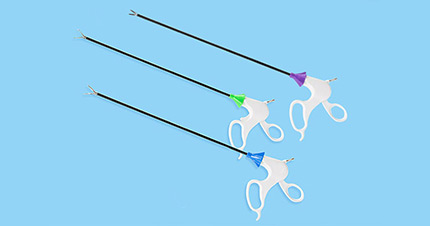



Review of Disposable Laparoscopic Dissectors Features, Pros and Cons
 Jul 07, 2026|
 View:437
A Disposable Laparoscopic Dissector is a single-use surgical tool designed for minimally invasive procedures. Surgeons rely on these instruments to reduce cross-contamination risk and ensure a sterile environment for every patient. Infection control becomes easier since the device arrives ready to use, eliminating human error in sterilization. Hospitals benefit from faster operating room turnover and simplified compliance with safety guidelines. Surgitools offers a trusted option with a blue knob and non-ratcheting design, supporting safe handling and efficient workflow.
Key Takeaways
Disposable Laparoscopic Dissectors are single-use tools that enhance infection control by arriving sterile and ready for use.
These instruments streamline surgical workflows, reducing time spent on cleaning and sterilization for faster OR turnover.
The ergonomic blue knob design provides a secure grip and reduces hand fatigue during long procedures.
Large jaw aperture and tip options — Maryland and fenestrated designs — allow precise handling of different tissues.
Disposable tools lower cross-contamination risk, making them ideal for high-risk surgeries and emergency procedures.
While upfront costs may be higher, savings from reduced infection rates often offset long-term expenses.
Hospital procedure volume, infection control policy, and infrastructure all influence the best instrument choice.
Surgitools offers reliable Disposable Laparoscopic Dissectors combining safety, efficiency, and consistent performance.
Disposable Laparoscopic Dissector Overview
Definition and Purpose
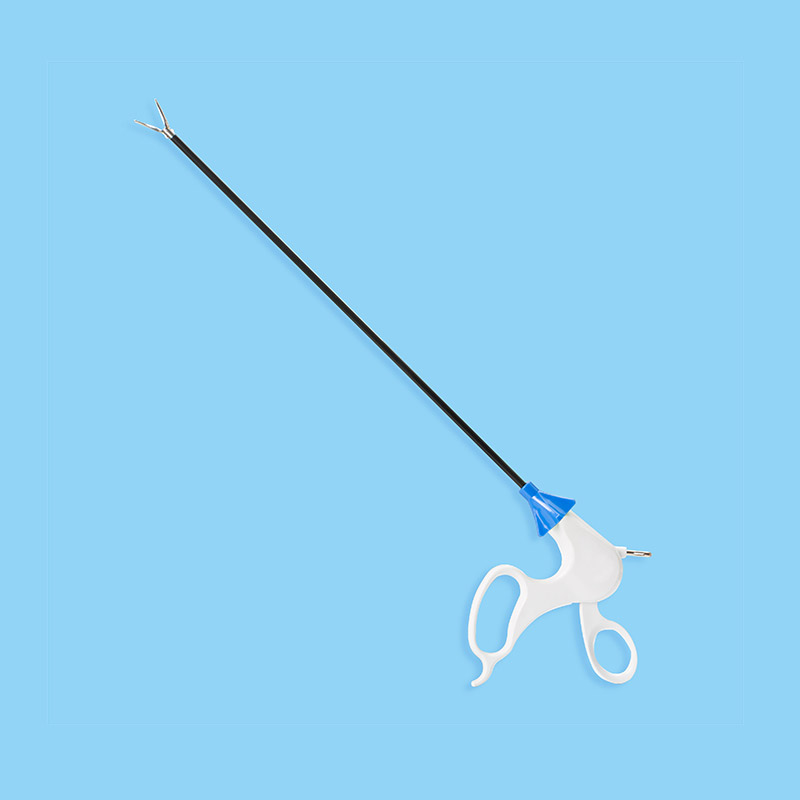
A Disposable Laparoscopic Dissector is a single-use surgical instrument designed for minimally invasive procedures. Surgeons use this tool to separate tissues and dissect organs with precision. The device plays a key role in laparoscopic surgery, where small incisions and specialized instruments help reduce recovery time and minimize complications. Disposable options arrive sterile and ready for use, supporting infection control and patient safety. Hospitals often choose these instruments to streamline workflow and ensure consistent OR performance.
Types and Applications
Disposable laparoscopic dissectors come in several designs to meet different surgical needs. Common types include Maryland and fenestrated dissectors, each offering unique jaw shapes and apertures for specific tasks. Maryland dissectors are ideal for delicate tissue handling, while fenestrated designs provide a secure grip on larger structures.
Surgeons rely on these instruments for:
Dissecting organs in the abdomen with accuracy
Enhancing the precision of minimally invasive surgeries
Contributing to safer, more effective, and cleaner surgical procedures
Comparison with Reusable Instruments
Disposable laparoscopic dissectors differ from reusable instruments in several important ways. Disposable devices eliminate the risk of cross-contamination because they require no cleaning or sterilization between uses. Reusable instruments must be carefully reprocessed after every surgery — if cleaning protocols are not strictly followed, residual bioburden can remain and increase infection risk.
| Factor | Disposable Dissector | Reusable Dissector |
|---|---|---|
| Sterility on arrival | Yes, factory sterile | Requires reprocessing |
| Cross-contamination risk | Very low | Higher if protocols lapse |
| Staff workload | Minimal | Significant |
| Instrument downtime | None | Waiting for sterilization |
| Best for | High-risk & emergency cases | High-volume, stable settings |
Features of Surgitools Disposable Laparoscopic Dissector
Blue Knob and Ergonomic Design
The blue knob stands out as a signature feature of the Surgitools Disposable Laparoscopic Dissector. Surgeons can easily identify and manipulate the instrument during procedures. The knob provides a secure grip, reducing hand fatigue. The ergonomic design fits comfortably in the hand, allowing for precise movements — especially valuable during long surgeries.
Stainless Steel Drive Mechanism
The Surgitools dissector uses a four-bar, stainless steel drive mechanism that delivers smooth and reliable movement. Stainless steel is known for its strength and resistance to corrosion. The drive system ensures that the jaws open and close with precision, giving surgeons confidence during delicate tissue dissection.
Large Jaw Aperture and Tip Options
A large jaw aperture allows the dissector to handle a wide range of tissues. The jaws open wide, making it easier to grasp, dissect, or manipulate organs — especially useful in complex procedures where flexibility matters.
Surgitools offers different tip options, such as Maryland and fenestrated designs:
| Tip Type | Best Use | Benefit |
|---|---|---|
| Maryland | Delicate tissue handling | Precise control |
| Fenestrated | Grasping larger structures | Secure grip |
360-Degree Rotation and Insulation
The 360-degree rotation knob lets surgeons turn the instrument in any direction without repositioning their hand — helping reach difficult spots inside the body and making procedures smoother and faster. The extended insulation on the shaft protects both patient and surgical team from stray electrical currents during electrosurgical steps.
Packaging and Configurations
Each instrument comes in a sterile pack — 10 packs per box and 100 packs per carton — making supply management straightforward. Surgeons can choose from Maryland and fenestrated configurations to match the specific demands of each procedure.
Sterile packaging keeps instruments safe and ready at all times
Multiple configurations allow for flexibility in the operating room
Easy storage and access support efficient workflow
Pros of Disposable Laparoscopic Dissectors
Superior Infection Control
Disposable Laparoscopic Dissectors help hospitals maintain strict infection control standards. Each instrument arrives sterile and ready for use, reducing the risk of cross-contamination. The single-use design means every patient receives a fresh instrument — infection rates can drop significantly when hospitals adopt this approach. According to WHO global surgical site infection prevention guidelines, instrument sterility is a foundational element of patient safety in the operating room.[1]
Workflow Convenience
Operating room staff do not spend time cleaning or sterilizing instruments between cases. This speeds up turnaround time and lets the surgical team focus on patient care. Each instrument is brand-new and calibrated, so surgeons can trust its performance from the moment the pack is opened.
No cleaning or sterilization required between uses
Faster operating room turnover
Simplified inventory management
Sterile Processing staff freed for other critical tasks
Consistent, Reliable Performance
Surgeons rely on instruments that work the same way every time. Disposable dissectors offer consistent performance because each tool is manufactured to strict standards — no wear and tear from repeated use, no concerns about degraded jaw tension or failing insulation. This predictability is especially important during complex or long surgeries.
Cost Efficiency for Specific Procedures
Single-use instruments remove the need for cleaning, sterilization, and maintenance equipment. In high-risk or emergency surgical settings, disposable dissectors save time and reduce the chance of delays. The true cost comparison goes beyond purchase price:
| Factor | Disposable Dissector | Reusable Dissector |
|---|---|---|
| Initial Purchase Price | Higher per unit | Lower per unit |
| Sterilization Costs | None | Ongoing |
| Maintenance / Repair | None | Ongoing |
| Staff Processing Time | Minimal | Significant |
| Cross-Contamination Risk | Very Low | Higher |
| Replacement Frequency | Every use | After wear |
Cons of Disposable Laparoscopic Dissectors
Long-Term Cost Impact
The recurring cost of purchasing a new dissector for every procedure can add up quickly in high-volume centers. Studies indicate that reusable devices typically reach a break-even point after approximately 50 to 100 uses — making them more cost-effective in busy hospitals where many surgeries take place each day.[2] Administrators should weigh procedure volume and available sterilization infrastructure when making this decision.
Environmental Concerns
Disposable instruments contribute to medical waste. Research shows that single-use devices can account for a very large proportion of waste generated during robotic-assisted procedures. Medical waste must be handled carefully to protect the environment, and hospitals are increasingly looking for recycling or responsible disposal programs.[3]
| Waste Source | Approximate Share of Surgical Waste |
|---|---|
| Single-use instruments & consumables | Up to 93.9% |
| Other surgical waste | ~6.1% |
Customization and Durability Limitations
Disposable Laparoscopic Dissectors come in standard configurations — typically Maryland or fenestrated tips. Surgeons who prefer instruments tailored to specific techniques may find fewer customization options compared to reusable tools. Durability is matched to single-use requirements, which suits most procedures but does not extend beyond one surgery.
Disposable vs. Reusable: A Comparative Overview
Clinical Outcomes and Safety
Disposable Laparoscopic Dissectors arrive sterile, lowering infection risk from the outset. Reusable instruments perform well when cleaning protocols are followed rigorously — but a single lapse in reprocessing can leave bacteria on instrument surfaces. Published research confirms that instrument sterility is directly linked to surgical site infection rates, particularly in immunocompromised or high-risk patients.[4]
Economic Analysis
Hospitals must look beyond unit price. Disposable dissectors do not require cleaning or maintenance. Reusable instruments cost less per use after many procedures, making them cost-effective in busy centers. Financial penalties from surgical site infections — which can exceed the cost of switching to disposables — should be factored into any economic analysis.
Reusable instruments break even after approximately 50–100 uses
High-volume hospitals benefit from economies of scale with reusables
Disposable instruments suit clinics with limited processing resources
Environmental Impact
| Instrument Type | Environmental Impact |
|---|---|
| Reusable instruments | Low — minimal waste, long lifecycle; can reduce carbon footprint by up to 60% |
| Disposable laparoscopic tools | Higher — contributes to medical plastic waste after each use |
Workflow and Training
Disposable instruments arrive sterile and ready to use, reducing the time spent on cleaning and sterilization. Staff can focus on patient care rather than managing complex reprocessing steps. With reusable instruments, hospitals need skilled sterile processing staff who must follow validated protocols rigorously.
Instrument procurement decisions affect OR performance and case turnover
Reusable programs require trained staff and validated cleaning protocols
Facilities with limited processing infrastructure benefit most from disposable options
Contextual Recommendations
High-Volume Centers: May prefer reusable instruments for long-term cost savings, provided sterilization systems and trained staff are in place.
Facilities with Limited Infrastructure: Disposable dissectors reduce infection risk and simplify workflow without requiring advanced cleaning equipment.
Emergency and High-Risk Cases: Disposable options ensure a sterile instrument is always immediately available.
Sustainability Goals: Hospitals focused on waste reduction may favor reusable instruments alongside certified recycling programs for disposables.
Choosing the Right Disposable Laparoscopic Dissector
Patient and Procedure Factors
Choosing the right dissector starts with understanding the patient and the procedure. Surgeons consider incision size, tissue type, and the surgical area involved.
| Feature | Patient Benefit | Clinical Context |
|---|---|---|
| Small incision access | Minimal scarring, less pain | Lower infection risk vs. open surgery |
| Precision cutting | Less tissue damage | Reduced average blood loss |
| Minimally invasive approach | Faster recovery | Shorter average hospital stay |
Surgical design choices by procedure type:
Abdominal surgeries often use straight or slightly curved tips
Pelvic operations benefit from curved designs for easier navigation
Thoracic procedures may require longer shafts for deep access
Hospital Policy and Regulations
Hospitals follow strict policies when selecting surgical instruments. Infection control rules often favor single-use devices. Many facilities require instruments to arrive sterile and ready for use to comply with national safety guidelines. Environmental regulations may also influence disposal requirements.
Supply Chain and Manufacturer Reliability
Reliable supply chains ensure surgical teams always have the tools they need. Hospitals look for suppliers with proven track records, clear quality assurance, and responsive customer support. Consistent delivery prevents delays and supports smooth OR operations.
Brand Selection: Surgitools
Surgitools stands out as a trusted name in the field of laparoscopic and surgical instruments, focusing on manufacturing cost-effective Disposable Laparoscopic Dissectors that meet strict quality standards.
| Feature | Detail |
|---|---|
| Sterile, ready-to-use packaging | Reduces preparation time; supports infection control |
| Ergonomic blue knob design | Secure grip, reduced fatigue in long procedures |
| Stainless steel drive mechanism | Smooth, reliable jaw movement every time |
| Multiple tip options | Maryland and fenestrated designs for different tissues |
| 360-degree rotation + insulation | Improved maneuverability and electrical safety |
Key outcome data for modern disposable instruments:
| Metric | Impact |
|---|---|
| Infection rate reduction with modern disposable instruments | Up to 80% reduction vs. older methods |
| Contamination prevention efficacy | Exceeds 95% in clinical practice |
Further Reading & Authoritative References
WHO Global Guidelines for the Prevention of Surgical Site Infection — World Health Organization's evidence-based recommendations covering all phases of surgical care.
Systematic Review: Reusable vs. Disposable Laparoscopic Instruments — Costs and Safety (PubMed / NCBI) — Peer-reviewed analysis comparing clinical outcomes, costs, and environmental impact.
Strategies to Prevent Surgical Site Infections in Acute-Care Hospitals: 2022 Update (SHEA / PMC) — Expert consensus from SHEA, IDSA, APIC, AHA, and The Joint Commission on SSI prevention best practices.
Perspectives on Disposable and Reusable Surgical Materials in Laparoscopic Surgery: A Global Survey (PubMed) — 2025 survey of 594 surgeons from 75 countries on sustainability and instrument selection.
Ready to Upgrade Your Surgical Instrumentation?
Surgitools Disposable Laparoscopic Dissectors are trusted by surgical teams worldwide for infection control, ergonomic precision, and consistent OR performance. Request a product consultation or bulk inquiry today.
Frequently Asked Questions
A Disposable Laparoscopic Dissector is a single-use surgical tool. Surgeons use it to separate tissues during minimally invasive procedures. It arrives sterile and ready for use, helping prevent infection.
Hospitals choose disposable dissectors to reduce infection risk, save time on sterilization, and maintain consistent instrument performance in every surgery.
The blue knob gives surgeons a secure, easy-to-identify grip. It supports precise movements, reduces hand fatigue during long procedures, and helps with quick instrument orientation.
Yes. Each dissector is sterile and used only once, lowering cross-contamination risk. Extended insulation also protects patients from stray electrical currents during electrosurgical steps.
Common options include Maryland tips for delicate tissue handling and fenestrated tips for grasping larger structures. Surgeons choose the tip that best suits each procedure.
Used dissectors should be placed in certified medical waste containers following local and national disposal guidelines. Hospitals are encouraged to explore recycling programs where available.
Surgeons use Disposable Laparoscopic Dissectors across many procedure types, particularly minimally invasive surgeries. The best choice depends on the patient, procedure type, and hospital infection control policy.
References & Citations
World Health Organization. Global Guidelines for the Prevention of Surgical Site Infection, 2nd ed. Geneva: WHO, 2018. Available at: https://www.who.int/publications/i/item/9789241550475
Anderson DJ, et al. Strategies to Prevent Surgical Site Infections in Acute-Care Hospitals: 2022 Update. Infection Control & Hospital Epidemiology, 2023. Available via PMC: https://www.ncbi.nlm.nih.gov/pmc/articles/PMC10867741/
Systematic review on reusable vs. disposable laparoscopic instruments: costs and safety. Surgical Endoscopy. PubMed PMID: 27878921. Available at: https://pubmed.ncbi.nlm.nih.gov/27878921/
Global survey among surgeons on perspectives on disposable and reusable surgical materials in laparoscopic surgery (2025). PubMed PMID: 40358663. Available at: https://pubmed.ncbi.nlm.nih.gov/40358663/