

 molly@surgitoolssh.com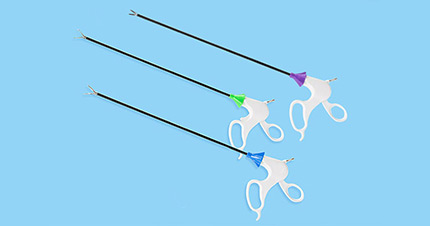



Dolphin grasper explained for easy laparoscopic surgery
 Jun 26, 2026|
 View:499
A dolphin grasper is a specialized tool that surgeons use during laparoscopic procedures. This instrument helps handle delicate tissues safely and efficiently, making it an essential part of minimally invasive surgery. The Surgitools Disposable Dolphin Grasper stands out because of its smooth jaw operation, ergonomic handle, and green knob with a ratchet for secure grip and reduced hand fatigue. The table below highlights its most important features:
| Feature | Benefit |
|---|---|
| Smooth Jaw Operation | Precise force control for gentle tissue handling |
| Ratchet Mechanism | Locks jaws, easing strain on the surgeon's hand |
| Safety Features | Insulation and non-slip jaws for patient and team safety |
| 360-Degree Rotation | Allows easy adjustment during complex movements |
The dolphin grasper is essential for safe tissue handling during laparoscopic surgery.
Its tapered jaws and rounded tips minimize the risk of damaging delicate tissues.
The ergonomic handle and ratchet mechanism reduce hand fatigue during long procedures.
360-degree rotation allows easy adjustments without removing the tool from the surgical site.
Using disposable dolphin graspers enhances hygiene and lowers the risk of infection.
The low complication rate of 1.3% with dolphin graspers demonstrates their clinical reliability.1
Choosing the right model is crucial for effective tissue manipulation.
Proper handling techniques improve safety and efficiency during laparoscopic procedures.
Dolphin Grasper in Laparoscopic Surgery
What Is a Dolphin Grasper?
A dolphin grasper is a type of laparoscopic grasper designed for gentle tissue handling during minimally invasive procedures. Surgeons use this tool to hold, move, and manipulate tissues inside the body without making large incisions. The dolphin grasper gets its name from the shape of its jaws, which resemble a dolphin's snout. This unique design helps prevent injury to delicate tissues during laparoscopic surgery. The tool is especially important in procedures where precision and safety are critical.2
Key Design Features
Tapered Jaws and Rounded Tips
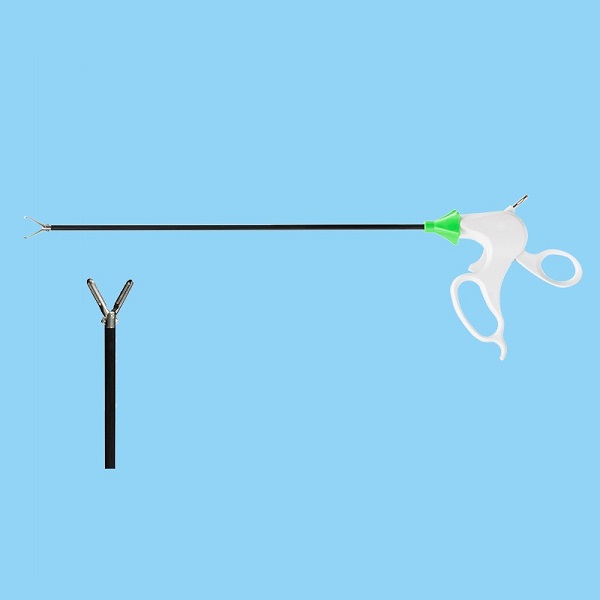
The jaws of the dolphin grasper are tapered and have rounded tips. This shape allows the instrument to slide easily between tissues. The smooth edges help reduce the risk of tearing or damaging organs. Surgeons can use the grasper to hold tissues firmly but gently, which is important for successful laparoscopic procedures. The large jaw opening gives flexibility, making it easier to grasp different types of tissue during surgery.
Green Knob and Ratchet Mechanism
The Surgitools Disposable Dolphin Grasper features a green knob and a ratchet mechanism. The green knob allows for easy identification and quick adjustments during surgery. The ratchet mechanism locks the jaws in place so the surgeon does not have to keep squeezing the handle. This reduces hand fatigue during long laparoscopic procedures and provides a secure grip on tissues to prevent accidental slips.
Four-Bar Drive and 360° Rotation
The four-bar drive system in the dolphin grasper ensures smooth and precise movement, giving the surgeon better control over the instrument. The 360-degree rotation feature allows the surgeon to turn the grasper in any direction without removing it from the surgical site. This makes it easier to reach difficult areas and adjust the angle of manipulation as needed.
Role in Minimally Invasive Procedures
The dolphin grasper plays a key role in many minimally invasive procedures. In a clinical study of 229 patients, the complication rate with dolphin graspers was only 1.3%1 — significantly lower than rates reported in comparable studies, which range from 6.1% to 10.2%. The Surgitools Disposable Dolphin Grasper is available in Maryland, Fenestrated, and Tapered models, each designed for specific surgical needs. The single-use design ensures high hygiene standards and reduces infection risk.
How a Dolphin Grasper Works
Mechanism of Action
The handle features a green knob that allows for 360-degree rotation, giving the surgeon the ability to adjust the angle of the tool without removing it from the surgical site. The four-bar drive system ensures smooth and precise jaw movement. When the surgeon squeezes the handle, the jaws open and close with steady force. The ratchet mechanism locks the jaws in place so the surgeon can maintain a firm grip on tissues without constant pressure, reducing hand fatigue and allowing better control during long operations.
Operation During Laparoscopic Procedures
Grasping and Manipulation
During a laparoscopic surgery, the dolphin grasper enters the body through a small incision. The tapered jaws and rounded tips make it easy to slide between delicate structures. The grasper provides gentle but secure traction, important for moving tissues without causing damage. The ratchet mechanism keeps the jaws locked so the tissue stays in place while the surgeon works. This steady grip is essential for safe and effective manipulation.3
Maintaining Visualization
Clear visualization is key in any laparoscopic procedure. By providing controlled traction, the dolphin grasper can move tissues aside to expose the area that needs attention. The 360-degree rotation allows quick position adjustments to keep the camera's view unobstructed. The smooth operation of the jaws prevents sudden movements that could block the view or harm tissues.
Safety and Precision
The Surgitools dolphin grasper is designed to protect both the patient and the surgical team. Extended insulation on the shaft helps prevent stray electrical currents. The jaws are shaped to hold tissues firmly but gently, reducing the chance of tearing or bruising. The ergonomic handle reduces hand strain, allowing the surgeon to focus on careful manipulation. The disposable design of the Surgitools dolphin grasper also supports hygiene and patient safety — each tool is used for one procedure and then discarded.
Main Uses of Laparoscopic Graspers
Common Laparoscopic Procedures
Tissue Handling
Dissecting graspers play a vital role in many laparoscopic procedures. Surgeons use these instruments to hold, lift, and separate tissues with care. The design of the instrument allows for gentle handling, which helps prevent damage to delicate structures. The jaws of the grasper can grip tissue securely, making it easier to perform precise movements during minimally invasive surgery.
Organ Manipulation
In laparoscopic surgery, the surgeon must move organs to create space or improve visibility. The grasper allows for careful repositioning without causing trauma. For example, during a gallbladder removal, the instrument can hold the organ steady while the surgeon works. The Surgitools Disposable Dolphin Grasper offers features such as a ratchet and 360-degree rotation, which make organ manipulation more efficient.
Specialized Applications
Pediatric and Gynecological Surgery
In pediatric cases, surgeons need instruments that can handle small and fragile tissues. The dolphin grasper, with its tapered jaws and rounded tips, is well-suited for these delicate tasks. In gynecological procedures, the instrument helps move and hold organs like the uterus or ovaries. Hospitals often choose single-use instruments to maintain high hygiene standards, especially in sensitive procedures.
Importance in Surgical Workflow
Reliable instruments lower the risk of complications and support better patient outcomes. Many surgical centers prefer disposable laparoscopic instruments to ensure every procedure starts with a clean, sharp tool. The Surgitools Disposable Dolphin Grasper meets these needs by combining safety, efficiency, and ease of use.