

 molly@surgitoolssh.com



Why OB Teams Stock Disposable Wound Protectors for Cesarean Sections
 Oct 12, 2026|
 View:16
OB teams stock a disposable wound protector for cesarean delivery because it reduces surgical site infection risk, shields the wound edge, improves visualization, and supports efficient operations. This single-use device creates a sealed barrier around the incision, limiting contamination from skin flora during a caesarean birth. For clinicians and supply chain staff, one practical question remains: does keeping this device on the standard supply list for c-sections represent a sound clinical and operational investment? Evidence from abdominal surgery suggests yes. Plastic-sheath retractors lower infection rates, and prevention of surgical site infection remains a priority when infection following caesarean section occurs in up to 13.5% of reported cases. A caesarean section demands reliable tools. The next section explains how the device works.
Key Takeaways
Disposable wound protectors reduce surgical site infection risk during cesarean sections.
They create a 360-degree sealed barrier that blocks bacteria from the incision.
The device distributes retraction force evenly, minimizing tissue trauma and pain.
Clinical evidence shows plastic-sheath retractors lower infection rates compared to metal retractors.
Single-use protectors simplify operating room setup and save valuable time.
Stocking these devices ensures readiness for both scheduled and emergency c-sections.
Preventing infections lowers postoperative costs and supports better patient outcomes.
Standardizing on wound protectors streamlines supply chain and improves team familiarity.
What Is a Disposable Wound Protector Used For in a C-Section?
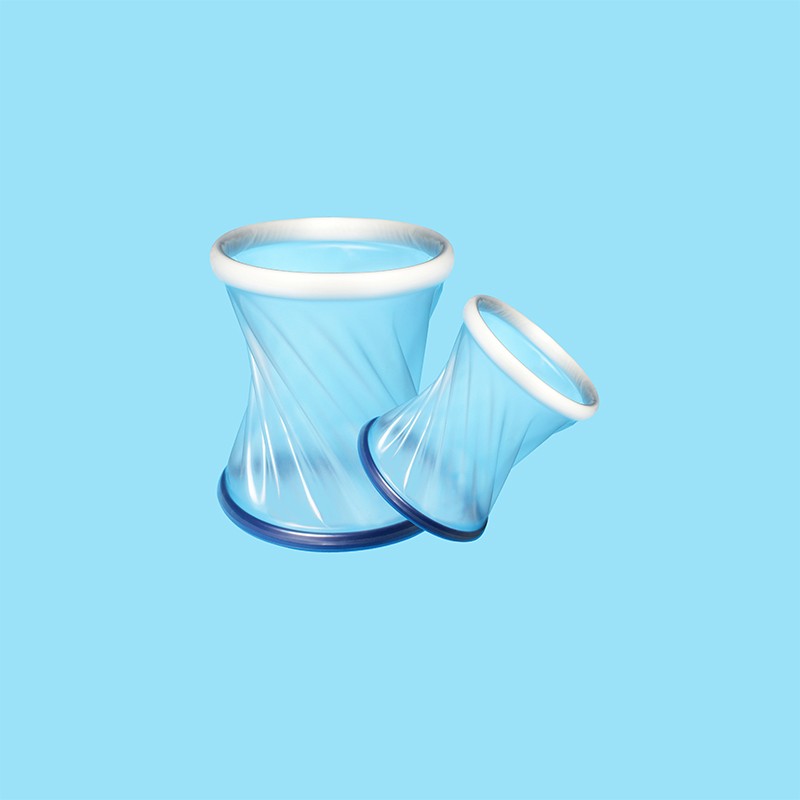
A disposable wound protector is a single-use, sterile surgical device with a rigid ring. The surgeon places it around the incision to shield wound edges, retract soft tissue, and create a clear working channel. During a caesarean section, this device supports tissue retraction, delivery access, and instrument operation. Manufacturers offer multiple sizes to fit different incision ranges.
Rigid Ring Design for 360-Degree Wound Protection
The rigid ring holds the incision open and supports full circumferential retraction. A firm, circular structure maintains consistent pressure around the entire wound edge. This design provides complete coverage and reduces localized tissue injury.
360-Degree Sealed Barrier Around the Incision
The sealed retraction creates a protective barrier that helps keep bacteria away from the wound. This 360-degree seal acts as a comprehensive infection barrier. It significantly reduces contamination risk during caesarean birth.
Atraumatic Retraction With Even Force Distribution
Uniform force distribution applies consistent pressure around the wound edge. This approach eliminates point trauma and associated pain. The result is non-traumatic retraction that minimizes tissue damage.
| Design Feature | Contribution to 360-Degree Wound Edge Coverage |
|---|---|
| Firm, circular rigid ring | Holds the incision open and supports full circumferential retraction |
| 360° sealed retraction | Provides complete wound edge coverage around the incision |
| Strong barrier against contamination | Creates a protective seal that helps keep bacteria away from the wound |
| Uniform force distribution | Applies consistent pressure around the wound edge, reducing localized tissue injury |
| Enhanced surgical field visibility | Improves access and visualization during abdominal surgery |
| Quick and precise setup | Supports efficient placement in fast-paced surgical settings |
How It Retracts Tissue and Improves Visibility
A flexible sheath connects two semi-rigid rings. The outer ring sits outside the caesarean birth incision to stabilize the device. The inner ring rests inside the cavity to maintain consistent pressure. This sheath creates 360-degree retraction while protecting wound edges. The Alexis retractor is a disposable, flexible device made from elastic polymer materials that provides circumferential retraction by gently stretching the incision site. It consists of two semi-rigid rings connected by a flexible sheath: an outer ring that sits outside the incision to stabilize the device, an inner ring positioned inside the incision or cavity to maintain consistent pressure, and a sheath that creates 360-degree retraction while protecting wound edges. This design eliminates the need for multiple handheld retractors and minimizes trauma to surrounding tissue. Continuous circumferential retraction improves visibility and accessibility to the operative field. The Alexis retractor is widely used in gynecology and obstetrics, including cesarean sections. A clear wound margin supports surgical precision and operational safety.
Choosing the Right Size for the Incision
The device comes in multiple sizes to fit various incision ranges. A precise fit ensures optimal retraction and protection. Surgeons select the size based on the caesarean delivery requirements. Proper sizing supports efficient placement and reliable performance during cesarean delivery.
Reducing Surgical Site Infection During a Caesarean Section
Surgical site infection after caesarean section occurs in up to 13.5% of reported cases. That figure makes prevention of surgical site infection a clear reason to stock a disposable wound protector. A caesarean section is a clean-contaminated procedure. The open incision exposes deep tissue to skin flora and environmental contaminants. Any breach in technique raises the risk of a post caesarean wound infection. Hospitals already deploy multiple strategies to reduce this risk. Prophylactic antibiotics, sterile draping, and careful hemostasis all play a role. A wound protector adds a mechanical barrier that works at the incision itself. The CDC's surgical site infection basics outline the same layered approach to risk reduction.
How a Wound Protector Blocks Contamination at the Incision
The device forms a 360-degree sealed barrier between the skin edge and the surgical site. This seal blocks the primary route of contamination during a caesarean birth. The barrier stays in place for the entire procedure. It does not rely on suction, irrigation, or chemical agents. The physical separation alone reduces bacterial migration into the wound.
Shielding the Wound Edge From Skin Flora
Skin flora represents the most common source of contamination in a caesarean delivery. The protector covers the cut edge of the dermis and subcutaneous tissue. This coverage prevents direct contact between the wound margin and the outside environment. Bacteria that normally reside on the skin cannot reach the deeper surgical field. The shield also protects the wound edge from instruments and gloves that may carry contaminants. This continuous coverage matters because the incision stays open for the duration of the cesarean delivery.
Maintaining a Sterile Surgical Channel
The inner ring and flexible sheath create a sterile channel through the abdominal wall. Surgeons deliver the baby and operate through this channel. The channel maintains a clear boundary between the sterile field and the non-sterile skin surface. This design supports the prevention of surgical site infection by keeping the operative field isolated. The sealed retraction also prevents fluid from pooling at the wound edge. Pooled fluid can harbor bacteria and increase the risk of a surgical wound infection. The channel stays patent throughout the procedure.
Evidence in Cesarean and Abdominal Surgery
Clinical evidence supports the use of plastic-sheath wound retractors in cesarean delivery. A randomized controlled trial at Charité University Hospital in Berlin compared the Alexis O C-Section Retractor with a traditional Collins self-retaining metal retractor. The study enrolled women undergoing their first planned cesarean section. The trial ran from October 2013 to December 2015.
| Element | Details |
|---|---|
| Study type | Single-center, prospective, randomized, controlled, observational trial |
| Population | Women undergoing their first planned cesarean section (low-risk) |
| Intervention | Alexis O C-Section Retractor (plastic sheath wound retractor); n = 98 |
| Comparator | Traditional Collins self-retaining metal retractor; n = 100 |
| Primary outcome | Surgical site infection, defined by CDC criteria |
| Key result | 1% with Alexis retractor vs. 8% with Collins metal retractor (RR 7.84, 95% CI 2.45–70.71, p = 0.035) |
| Conclusion | Plastic-sheath wound retractors significantly reduce surgical site infection risk |
The evidence extends beyond obstetrics. Multiple meta-analyses covering laparotomies and abdominal surgery confirm that wound protectors lower surgical site infection rates. A current meta-analysis of 28 studies and 6,026 patients found significantly lower SSI rates with single-ring and dual-ring wound protectors compared with no protector in lower GI surgery. The overall SSI rate across 19 RCTs and 4,779 participants was 0.63 (95% CI 0.50–0.80, p = 0.0001). Gastrointestinal surgery showed a relative risk of 0.49 (95% CI 0.36–0.67, p < 0.00001). Clean-contaminated wounds showed a relative risk of 0.64 (95% CI 0.46–0.89, p = 0.008).
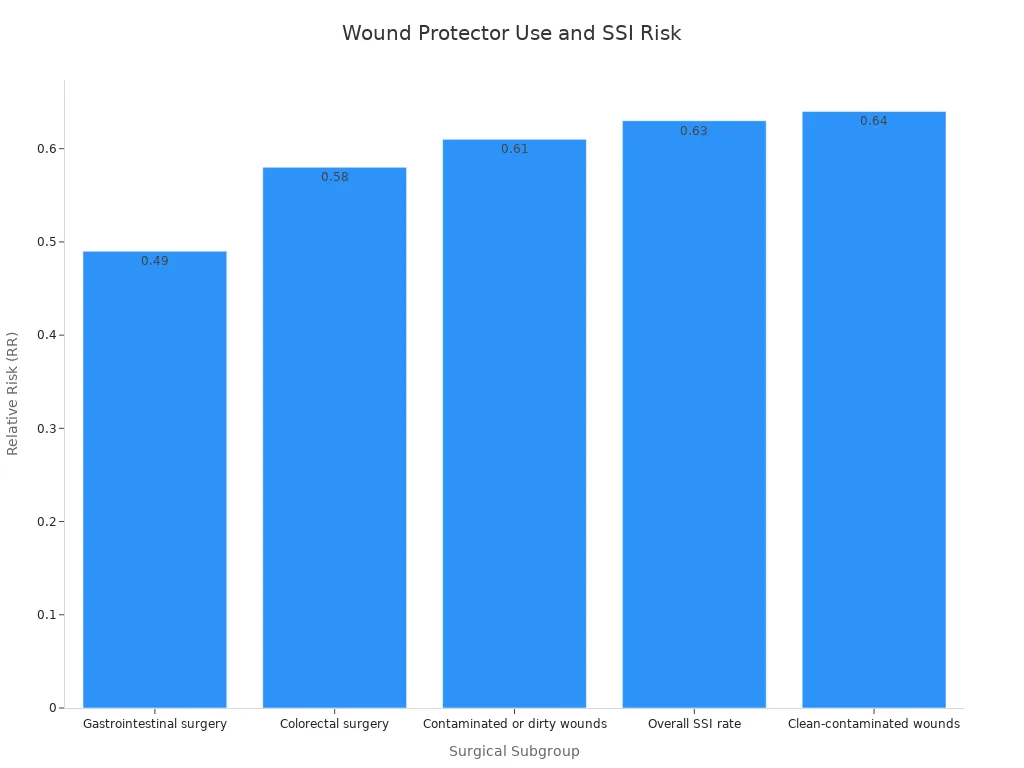
These findings reinforce the role of wound protection in reducing infection following caesarean section. The mechanism is consistent across procedure types. A physical barrier at the incision site limits bacterial access to the surgical field.
Protecting Wound Edges to Support Healing
Wound edge protection directly supports recovery. The device prevents desiccation of the incision margin during the procedure. A moist wound edge heals faster and with fewer surgical wound complications. The atraumatic design also reduces tissue damage at the margin. Less tissue damage means less inflammation and a lower risk of wound infection. Surgeons may consider adjunctive strategies such as prophylactic incisional negative pressure wound therapy for high-risk patients. A single-use negative pressure wound therapy system can complement the mechanical protection of a wound protector. Some facilities use disposable negative-pressure wound therapy as part of a broader protocol to manage surgical site complications. Negative pressure wound therapy supports granulation tissue formation and reduces edema at the incision. Together, these approaches address both contamination and healing. The goal remains the same: fewer wound complications and better outcomes after a caesarean.
Clinical Advantages of Wound Protection During Cesarean Delivery
A wound protector does more than block bacteria. It changes how the surgical team interacts with the incision throughout the procedure. The device applies retraction force evenly around the wound edge. This mechanical advantage translates into measurable clinical benefits for the patient and the surgeon.
Reducing Tissue Trauma and Point Pressure
Traditional metal retractors concentrate force at specific points along the wound edge. This concentrated pressure can crush tissue, impair blood flow, and create localized damage. A disposable wound protector distributes retraction force around the entire circumference of the incision. No single point bears excessive load. The rigid ring design maintains consistent outward pressure. Soft tissue stretches gradually rather than tearing under sudden force. This atraumatic approach minimizes tissue damage at the wound margin. Less tissue trauma means less inflammation after surgery. Patients often report less pain at the wound site during recovery after caesarean section. The flexible sheath also protects the wound edge from direct contact with instruments and gloves. This physical separation reduces mechanical irritation during the procedure. Surgeons can work efficiently without worrying about accidental trauma to the incision margin.
Enhancing Visibility Through a Clear Surgical Field
Surgical precision depends on a clear view of the operative field. A wound protector keeps the incision open and stable throughout the caesarean delivery. The rigid ring holds the wound edges apart, creating a consistent working channel. This stable exposure allows surgeons to see deep structures without constant adjustment. Disposable self-retaining plastic wound retractors such as the Alexis O Wound Protector-Retractor and the Mobius Retractor are increasingly used in cesarean delivery, especially in patients with obesity. These devices improve visualization of the surgical field, which supports easier fetal extraction and protection of the wound edges. A clear view through a smaller incision benefits both the surgeon and the patient. The transparent sheath allows direct observation of the wound margin. Surgeons can monitor tissue condition throughout the procedure. This visibility supports quick decisions if bleeding occurs or if tissue appears compromised. Enhanced exposure also reduces the need for additional assistants to hold retractors. The surgical team can focus on the delivery itself.
Keeping the Incision Moist to Support Recovery
Moisture management at the incision site plays a critical role in healing. A dry wound edge heals more slowly and may develop complications. The sealed design of a wound protector helps retain natural moisture at the incision margin during surgery. This environment supports cell migration and tissue repair. Modern wound management principles emphasize the importance of a moist wound environment. Postoperative dressings should ideally maintain moisture conducive to optimal healing while avoiding maceration or blistering of surrounding skin. Vapour-permeable polyurethane film dressings offer several advantages over non-woven dressings: They provide a barrier to extrinsic contamination. They allow postoperative inspection without removal in the first 24-48 hours. They are easy to remove due to low adhesion. They maintain a moist wound environment. They enable showering because they are waterproof. They can be left in place for up to 7 days. They are conformable to body contours with reduced incidence of blistering. A multicentre clinical study of 64 patients undergoing clean surgery using a vapour-permeable transparent film post-surgical dressing found a mean wear time of 4.5 days. Exudate management was rated very good or good in 96% of assessments. Visibility of the incision site was rated very good or good in 72% and acceptable in 24%. Patient comfort was rated very comfortable (63%) or comfortable (37%) at all assessments.
A prospective observational clinical trial evaluated Lecoxen cream, a water-in-silicone emulsion medical device, for cesarean section wound healing. The cream forms a protective, moisturizing film that maintains a proper moist wound environment, consistent with Winter's theory of moist wound healing. Results showed that all evaluated wound parameters improved significantly after 14 days of treatment compared to placebo. Patients reported significantly higher quality scar tissue after 28 days. No adverse effects were reported. The study concluded that Lecoxen cream was safe and effective for cesarean section wound healing, accelerating wound closure and improving scar tissue. These benefits stem from its ability to create a moist environment conducive to healing. A wound protector supports these principles by preventing desiccation during the procedure itself. The sealed barrier keeps the incision margin hydrated. This protection continues to benefit the patient as the wound begins to heal. Surgeons may also consider negative pressure wound therapy for high-risk patients. This approach can complement the mechanical protection of a wound protector. Together, these strategies address both contamination and healing. The goal remains consistent: fewer wound complications and better outcomes after a caesarean birth.
Operational Efficiency: Why OB Teams Keep Wound Protectors Stocked
Workflow efficiency matters as much as clinical performance. A disposable wound protector offers both. The device arrives sterile and ready for immediate use. Teams skip assembly, sterilization checks, and reprocessing delays. This readiness transforms operating room setup.
Ready-to-Use Sterile Devices Speed Up OR Setup
Reusable retractors demand time and attention before every procedure. Staff must locate the instrument, confirm its integrity, and ensure proper sterilization. A single-use device eliminates these steps. The Alexis O C-Section Protector/Retractor, for example, enables quick and easy setup and deployment. Its design also enhances surgical efficiency by freeing up operating room staff. Fewer tasks during setup means nurses can focus on patient preparation and instrument counts. Simplified counts reduce another source of delay. Reusable retractors need tracking through washing and sterilization. A sterile, single-use device arrives in its own packaging and leaves with the surgical waste. This workflow shortens turnover time between cases. Teams can complete one cesarean delivery and prepare for the next without waiting on central supply.
Reliable Coverage for Scheduled and Emergency C-Sections
Obstetric units face unpredictable schedules. A scheduled caesarean birth allows time for preparation, but an emergency c-section does not. The team must act within minutes during an emergency caesarean. Stocking these devices directly on the delivery cart ensures the tool is available when urgency eliminates planning time. This readiness reduces delays during critical moments. No one needs to search for equipment or request a substitute. The correct size sits ready for the specific procedure. For emergency c-sections, every minute saved supports maternal and fetal safety. Reliable coverage transforms a potential scramble into a routine step.
Standardizing the Cesarean Section Supply List
Supply chain teams benefit when this device becomes a standard line item. Predictable usage patterns simplify inventory management. Reordering follows a consistent rhythm based on procedure volume. This stability reduces the risk of stockouts and overordering. Procurement teams may also stock adjuncts such as negative pressure wound therapy for high-risk patients. Standardization also supports clinical consistency. When every obstetric team uses the same device, the staff builds familiarity with its placement and behavior. This familiarity supports the prevention of surgical site infection through consistent technique, which directly reduces the likelihood of infection following caesarean section. Procurement specialists, surgeons, and infection-control teams should collaborate when selecting the standard device. Their combined input ensures the choice meets clinical needs and operational goals. A predictable supply list and a ready-to-use device create measurable value. The alternative—improvised retraction during a caesarean delivery—adds stress and risk. Stocking the device removes that risk. The incision remains protected from start to finish, lowering the risk of wound infection. Obstetric units gain a tool for safer, smoother surgery.
Cost-Effectiveness of Stocking Wound Protectors for OB Departments
Hospital budgets face constant pressure. Procurement teams must justify every line item on the supply list. A disposable wound protector costs more per unit than a reusable metal retractor. That comparison misses the full financial picture. The real question asks which option delivers better value across the entire episode of care.
Preventing Surgical Site Infections Lowers Postoperative Costs
A surgical site infection changes the economics of any operation. Treating an infection following caesarean section requires extended hospital stays, additional antibiotics, and ongoing wound care. These costs accumulate quickly. They often exceed the price of a single-use wound protector by a wide margin. Prevention of surgical site infection protects both patients and budgets. A postcaesarean surgical site infection can add days to a hospital stay. It may require readmission, imaging, and surgical debridement. Each intervention carries its own cost. A wound protector that reduces infection risk therefore pays for itself when it prevents even a small number of cases. The financial argument extends beyond direct treatment costs. Hospitals face penalties for certain surgical site complications under value-based purchasing programs. A wound infection after a caesarean birth can affect reimbursement. Reducing infection rates supports both clinical quality metrics and financial performance. For high-risk patients, facilities may also stock a single-use negative pressure wound therapy system as an adjunct. This approach complements the mechanical barrier of a wound protector.
Supply Chain Simplicity and Predictable Reordering
Single-use devices simplify inventory management. A wound protector arrives sterile and ready for use. Staff do not track reusable retractors through reprocessing cycles. They do not verify sterilization logs or inspect instruments for wear. This simplicity reduces labor costs and eliminates a potential source of delay. Predictable usage patterns support better forecasting. When a facility standardizes on one wound protector for every cesarean delivery, reordering follows procedure volume. Supply chain teams can set par levels with confidence. This stability reduces the risk of stockouts during high-volume periods. It also prevents overordering that ties up capital in excess inventory. Standardization across an OB department creates additional efficiency. Nurses and surgical technologists build familiarity with one device. Training time decreases. Setup becomes routine. These operational gains compound over hundreds of procedures each year.
Choosing a Reliable Wound Protector Manufacturer
Procurement teams should evaluate manufacturers on several objective criteria. Quality certifications provide the first checkpoint. A reputable supplier holds CE marking, ISO 13485:2016 certification, and FDA registration. These credentials confirm that the manufacturer meets international quality management standards. Manufacturing practices matter as much as certifications. Look for cleanroom production environments. The manufacturer should operate Class 10,000 purification workshops. Sterilization methods should follow recognized standards such as ethylene oxide processing. Packaging must maintain sterility until the point of use. Quality control personnel should inspect every unit before dispatch.
Segimedical manufactures a Disposable Wound Protector (Rigid Ring) that meets these criteria. The device is available in multiple sizes and carries CE, ISO 13485:2016, and FDA certifications. According to the company, Segimedical operates a 5,000-square-foot factory with strict quality control, including microbial limit and sterility tests, and invests 10% of annual revenue in research and development. The company also offers customized services and a broad portfolio of minimally invasive surgery products. Procurement teams seeking a quality-focused supplier may consider Segimedical as part of their evaluation process.
Making Wound Protectors a Standard Part of C-Section Kits
Building a Standard Cesarean Delivery Bundle
A standard cesarean delivery bundle brings together proven steps that reduce infection risk. Each element addresses a specific point in the surgical process. Pre-incision antibiotic prophylaxis administered 15 to 60 minutes before incision is associated with reduced endometritis and wound infection risk. Vaginal preparation with iodine-povidone solution is associated with reduced endometritis risk. Spontaneous placenta removal using gentle cord traction avoids the increased endometritis risk linked to manual removal. Additional beneficial strategies include blunt cephalad-caudad uterine expansion and subcuticular skin closure. Strategies strongly not recommended include supplemental oxygen, mechanical cervical dilation, subcutaneous drain, and intra-abdominal irrigation. A disposable wound protector belongs in this bundle as a mechanical barrier at the incision. The device complements antibiotic prophylaxis and other measures. It adds a physical layer of protection that does not depend on chemical agents. When a facility standardizes its cesarean delivery kit, the wound protector becomes a routine line item. This consistency supports every patient, every time. The published best-practice prevention bundle for post-cesarean infection lists the same measures.
Aligning With Infection Prevention Guidelines
Infection prevention guidelines emphasize multiple simultaneous strategies. No single intervention eliminates all risk. A wound protector aligns with this layered approach. The device creates a sealed barrier that blocks contamination from skin flora. This mechanism supports the prevention of surgical site infection during a caesarean section. Hospitals that adopt wound protectors as standard practice reinforce their existing protocols. The device does not replace antibiotics or sterile technique. It adds a reliable mechanical defense. Infection prevention specialists should review the evidence and consider the device as part of a comprehensive program. This alignment strengthens the facility's overall safety culture.
A Smart Preparedness Strategy for OB Teams
Stocking a disposable wound protector is a preparedness decision. Obstetric units face both scheduled and emergency c-sections. An emergency caesarean delivery leaves no time to search for equipment. Having the device on the delivery cart ensures immediate availability. This readiness supports faster setup and reduces delays during critical moments. Surgeons, infection prevention specialists, and supply chain staff should collaborate when selecting a wound protector. Their combined input ensures the choice meets clinical needs and operational goals. A standardized device simplifies training and builds team familiarity. This strategy protects patients from infection following caesarean section and supports efficient cesarean delivery. The wound protector becomes a routine tool for safer surgery.
Stocking disposable wound protectors is a practical, evidence-aligned decision. These devices support prevention of surgical site infection, protect tissue, and improve operating room efficiency during cesarean delivery. The cost of adding a wound protector is small compared with treating a postcaesarean surgical site infection or managing a prolonged procedure. A wound infection can extend hospital stays and require additional care, including negative pressure wound therapy. For these reasons, hospitals should include the disposable wound protector on the standard cesarean section supply list. When evaluating suppliers, consider Segimedical, a quality-focused manufacturer with CE, ISO 13485:2016, and FDA certifications. This approach supports safer caesarean delivery, reduces infection following caesarean section, and protects every incision.
FAQ
A metal retractor applies force at specific points along the wound edge. A disposable wound protector distributes pressure evenly around the entire incision. This design reduces tissue trauma and point pressure. The device also creates a sealed barrier that blocks contamination from skin flora during a caesarean section.
The device forms a 360-degree seal between the skin edge and the surgical site. This physical barrier prevents bacteria from reaching deeper tissue. Clinical evidence shows that plastic-sheath retractors reduce the risk of infection following caesarean section compared with traditional metal retractors.
Yes. A disposable wound protector arrives sterile and ready for immediate use. Teams do not need to assemble or sterilize the device. This readiness supports faster setup during an emergency cesarean delivery. Having the device stocked on the delivery cart eliminates delays when time matters most.
Manufacturers offer multiple sizes to fit various incision lengths. Surgeons select the appropriate size based on the patient and procedure. A precise fit ensures optimal retraction and wound edge protection. Proper sizing supports efficient placement during a cesarean.
Yes. The device keeps the incision margin moist during surgery. A moist wound environment supports cell migration and tissue repair. This protection aligns with modern wound management principles. Less tissue trauma also means less inflammation and a lower risk of wound infection after surgery.
Standardizing on a disposable wound protector simplifies inventory management. Single-use devices eliminate reprocessing steps and sterilization tracking. Predictable usage patterns support better forecasting and reordering. Supply chain teams can set par levels with confidence based on procedure volume.
High-risk patients may benefit from negative pressure wound therapy as an adjunct. This approach complements the mechanical barrier of a wound protector. Together, these strategies address contamination and healing. Facilities should evaluate patient risk factors and institutional protocols when deciding whether to add this therapy to the standard supply list.
Procurement teams should verify quality certifications such as CE marking, ISO 13485:2016, and FDA registration. Manufacturing practices matter too. Look for cleanroom production environments and strict quality control including microbial limit and sterility tests. Segimedical offers a Disposable Wound Protector (Rigid Ring) that meets these criteria and provides customized services.
Looking for a Reliable Disposable Wound Protector Manufacturer?
Segimedical (SEGI Medical) manufactures a Disposable Wound Protector (Rigid Ring) in multiple sizes, carrying CE, ISO 13485:2016, and FDA certifications. The company operates strict quality control including microbial limit and sterility tests, and provides customized services and a broad portfolio of minimally invasive surgery products. Buyers can request a quotation, review the product range, or discuss specific sterilization and packaging requirements with the manufacturer.
Get a Free Quote from SegimedicalView Segimedical Wound Protectors →References and Image Credits
Randomized controlled trial, Charité University Hospital, Berlin — PubMed: https://pubmed.ncbi.nlm.nih.gov/27352285/
Meta-analysis of wound protectors in abdominal surgery — PubMed Central: https://pmc.ncbi.nlm.nih.gov/articles/PMC9927917/
Surgical Site Infection Basics — U.S. CDC: https://www.cdc.gov/hai/ssi/ssi.html
Surgical site infection overview — Wikipedia: https://en.wikipedia.org/wiki/Surgical_site_infection
Postoperative incision management, multicentre dressing study — Wounds UK: https://wounds-uk.com/made-easy/postoperative-incision-management/
Lecoxen cream trial for cesarean wound healing — Clinical and Experimental Obstetrics & Gynecology: https://www.imrpress.com/journal/CEOG/51/7/10.31083/j.ceog5107165
Best practices prevention bundle for post-cesarean infection — The ObG Project: https://www.obgproject.com/2018/03/18/best-practices-prevention-bundle-post-cesarean-infection/
Images — Pexels: https://pexels.com
Note: clinical figures (13.5% infection rate, RCT 1% vs 8%, meta-analysis RR values, dressing study results) are cited from the referenced publications; Segimedical production and R&D figures are company-reported and should be verified through supplier documentation at evaluation.