

 molly@surgitoolssh.com



 May 19, 2026
 View:885
Wound protectors play a vital role in abdominal surgery by shielding tissues from contamination and trauma. Technology has advanced from simple designs to flexible and rigid ring types, improving surgical outcomes. Infection prevention remains a top priority, as studies have shown notable reductions in surgical site infections with these devices:
Dual-ring wound protectors reduced incisional infection rates from 44.0% to 21.1%.
Meta-analysis reported a risk ratio of 0.65 for infection, with dual-ring models offering even stronger protection.
These innovations support both open and minimally invasive procedures, increasing safety for patients and efficiency for surgeons.
Key Takeaways
Wound protectors are essential in abdominal surgery. They shield incisions from bacteria and trauma.
Using wound protectors can significantly lower infection rates. Studies show reductions from 44% to 21% with dual-ring models.
Wound protectors minimize tissue trauma. They distribute pressure evenly, reducing pain and speeding recovery.
Surgeons benefit from better visibility and access during surgery. Transparent designs help them operate more effectively.
Choose the right wound protector based on incision size and type of surgery. Dual-ring models are best for larger operations.
Flexible ring protectors adapt to various incision shapes. They are ideal for minimally invasive surgeries.
Rigid ring protectors provide strong barriers against contamination. They are suitable for complex surgeries.
Selecting high-quality wound protectors improves patient outcomes. Look for products with safety certifications.
Wound Protector Basics
What Is a Wound Protector
A wound protector is a medical device used during abdominal surgery to shield the incision site. Surgeons place it around the edge of the wound to create a barrier between the patient's tissues and the external environment. This device helps keep bacteria and other contaminants away from the surgical area. Wound protectors come in different shapes and sizes, including flexible and rigid ring designs. They are made from materials that are safe for the body and easy to use in the operating room.
Wound protectors are especially important in surgeries where the risk of infection is high, such as colorectal or laparoscopic procedures.
The main functions of wound protectors in abdominal surgery can be summarized in the table below:
| Function | Description |
|---|---|
| Prevent Contamination | Isolates the incision from bacteria and pathogens, reducing the risk of surgical site infections (SSI). |
| Minimize Tissue Trauma | Distributes tension uniformly to prevent pressure injuries and reduce postoperative pain. |
| Enhance Visibility and Access | Transparent design allows for clear visualization of the wound and widens the operative field. |
Why Use Wound Protectors in Abdominal Surgery
Surgeons use wound protectors to improve patient safety and surgical outcomes. These devices help prevent contamination by creating a physical barrier at the incision site. Research published in PLOS ONE demonstrates that wound edge protectors meaningfully reduce surgical site infection rates. Dual ring protectors offer even greater protection, with a relative risk of 0.31 compared to single ring protectors.
Wound protectors also minimize tissue trauma. They distribute force evenly across the wound, which helps reduce pain and speeds up recovery. The transparent design of many wound protectors gives surgeons a clear view of the incision, making it easier to operate and reducing the chance of mistakes.
Key Benefits for Patients and Surgeons
Both patients and surgeons benefit from using wound protectors. Patients experience fewer infections and less pain after surgery. Surgeons find it easier to access and visualize the surgical site, which can lead to better results.
The risk ratio for surgical site infections drops to 0.60 when wound protectors are used.
Wound edge protectors significantly reduce infection rates, with a risk ratio of 0.65.
In colorectal surgery, the effect size is similar, with a risk ratio of 0.65.
Other benefits include:
Faster healing and recovery.
Lower chance of complications.
Improved surgical precision.
Wound protectors are now a standard tool in many abdominal surgeries, including laparoscopic procedures. Their use supports safer operations and better patient outcomes.
Types of Wound Protectors
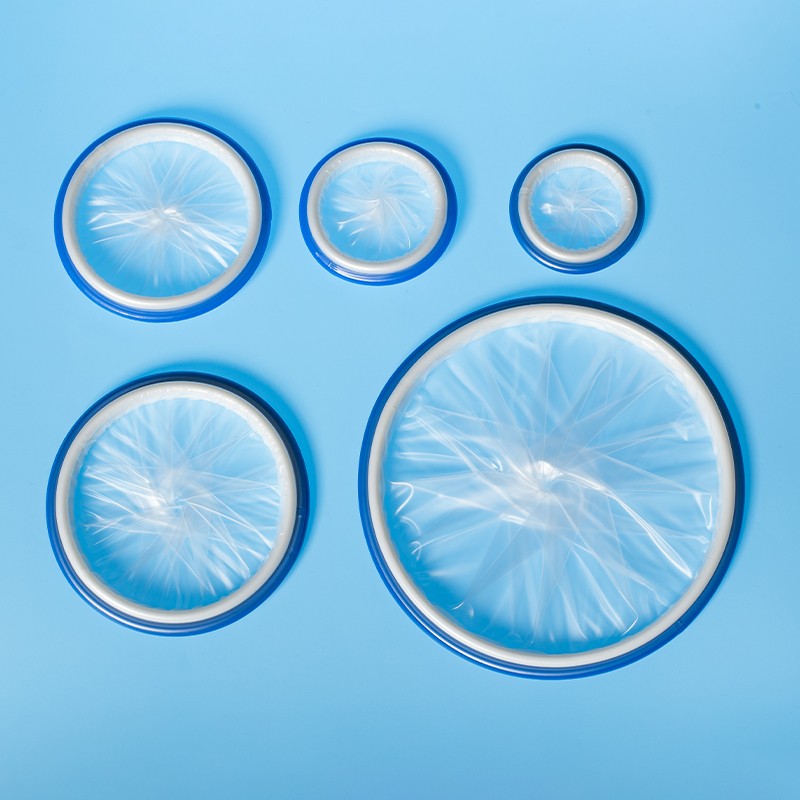
Wound protectors come in several forms, each designed to meet specific surgical needs. The main types include flexible ring and rigid ring models, as well as single-ring and double-ring designs. These devices help surgeons protect the incision site and reduce the risk of infection.
Flexible Ring Wound Protectors
Features and Advantages
Flexible ring wound protectors use a soft, circular ring that adapts to the shape of the incision. The Disposable Wound Protector (Flexible Ring) from Surgitools Medical Instruments is a good example. This device provides 360° atraumatic retraction, which means it gently holds back tissues without causing injury. The flexible ring distributes force evenly, preventing point trauma and pain. It also keeps the incision moist, which helps tissues heal faster.
Flexible ring models are easy to set up and fit a wide range of incision sizes. They maximize exposure while minimizing the size of the incision. Many are made from materials like polyurethane or silicone, which are safe for the body and allow for clear visualization of the surgical field.
Flexible ring wound protectors are often used in minimally invasive surgeries because they can adapt to small or irregular incisions.
Common Applications
Flexible ring wound protectors are popular in laparoscopic and open abdominal surgeries. Surgeons use them for specimen removal and instrument operation. They are suitable for procedures where the incision size varies or needs to be kept small. These devices help maintain a sterile environment and support faster patient recovery.
Looking for High-Quality Wound Protection Solutions?
Discover our comprehensive range of disposable wound protectors designed for superior surgical outcomes. Contact our team today for product specifications and bulk inquiries.
Request a QuoteRigid Ring Wound Protectors
Features and Advantages
Rigid ring wound protectors use a firm, circular ring to hold the incision open. The Disposable Wound Protector (Rigid Ring) from Segimedical is an example of this type. The rigid ring provides 360° sealed retraction, creating a strong barrier against contamination. This design helps reduce surgical site infections by keeping bacteria away from the wound.
Rigid ring models offer uniform force distribution, which prevents localized tissue injury. They enhance visibility of the surgical field, making it easier for surgeons to operate. The rigid structure allows for quick and precise setup, which is important in fast-paced surgical settings. Some models include antimicrobial coatings or drug-releasing matrices to further prevent infections.

Rigid ring wound protectors are especially useful in laparoscopic procedures, where maintaining a clear view and sterile environment is critical.
Common Applications
Rigid ring wound protectors are used in both open and laparoscopic surgeries. They are ideal for procedures that require a stable and secure incision site. Surgeons choose rigid ring models for larger or more complex operations, where strong retraction and infection prevention are essential.
Single-Ring vs. Double-Ring Designs
Protective Effectiveness
Wound protectors can have single-ring or double-ring designs. Single-ring models feature an internal ring connected to a drape that covers the wound edges. Double-ring designs include both an internal and external ring, linked by impervious plastic. This structure provides extra stability and protection.
Research published in the Database of Abstracts of Reviews of Effects demonstrates that double-ring devices are more effective in reducing surgical site infections than single-ring models. The table below summarizes findings from recent studies:
| Study | Sample Size | Risk Ratio (Double-Ring) | Risk Ratio (Single-Ring) |
|---|---|---|---|
| Kang et al. | 2684 | 0.31 (95% CI: 0.15–0.58) | 0.84 (95% CI: 0.71–1.00) |
| Said et al. | 3808 | OR 0.59 (95% CI: 0.43–0.81) | N/A |
A meta-analysis concluded that both single-ring and double-ring wound protectors help prevent infections, but double-ring devices offer greater protection.
| Study | Conclusion |
|---|---|
| Meta-analysis | Double-ring devices show a stronger protective effect than single-ring models. |
Suitability for Different Surgeries
Single-ring wound protectors are simpler and cost-effective. They work well for smaller incisions and less complex surgeries. Double-ring designs are preferred for larger operations, such as colorectal or major abdominal procedures, because they provide extra stability and reduce infection risk.
The table below outlines the main types and their descriptions:
| Type | Description |
|---|---|
| Single-Ring | Simpler and cost-effective, suitable for smaller incisions. |
| Double-Ring | Features an outer stabilizing ring and an inner retracting ring, preferred for larger surgeries. |
| Ring Based | Circular design that encircles the surgical site, providing a barrier against contaminants. |
| Prong Based | Adjustable prongs for a customizable fit for various wound types. |
Choosing the right wound protector depends on the type of surgery, incision size, and the need for infection prevention.
Flexible and rigid ring wound protectors, along with single-ring and double-ring designs, give surgeons options to match each patient's needs. These devices help improve surgical safety and patient outcomes.
Wound Protector Use in Laparoscopic Surgery
Role in Minimally Invasive Procedures
Laparoscopic surgery uses small incisions and specialized instruments. Surgeons rely on wound protectors to maintain a stable environment during these procedures. The device creates a barrier around the incision, which helps prevent contamination. It also supports the insertion of trocars and allows for smooth manipulation of surgical tools. This setup improves access to the surgical site and keeps tissues safe from trauma.
Surgeons often choose wound protectors that adapt to the shape and size of the incision. Flexible and rigid ring models both serve this purpose. The protector holds the wound open, giving surgeons a clear view and space to work.
Benefits for Laparoscopic Outcomes
Wound protectors offer several advantages for patients undergoing laparoscopic abdominal surgery. These devices help reduce the risk of infection and support faster healing. Studies show a significant decrease in surgical site infections when wound protectors are used.
Wound protectors create a barrier that prevents contamination from bacteria and pathogens.
Infection rates drop by 59-66% with the use of wound protectors.
Patients experience fewer complications and recover more quickly.
The following table summarizes key findings from recent research:
| Evidence Description | Findings |
|---|---|
| Wound edge protector reduces the incidence of SSI in patients receiving laparotomies | Significant reduction in SSI, especially with dual-ring type in contaminated incisions |
| Use of a dual-ring wound protector during pancreaticoduodenectomy | Significantly reduces the risk of incisional SSI among patients with intrabiliary stents |
| Studies report a 59-66% reduction in superficial SSIs | Indicates a substantial decrease in infection rates with wound protector use |
Another table highlights the protective effect:
| Evidence Description | Findings |
|---|---|
| The use of a wound protector was associated with a significant decrease in SSI | RR = 0.55, 95% CI 0.31–0.98, P = 0.04 |
| Greater protective effect in studies using a dual ring protector | RR = 0.31, 95% CI 0.14–0.67, P = 0.003 |
Product Examples in Practice
Hospitals use wound protectors in many laparoscopic procedures. Abdominal surgery accounts for nearly half of the total application revenue in the wound retractor market. The market is growing, with a projected annual growth rate of 7.5% through 2034. Surgeons use wound protectors in colorectal resections, appendectomies, and bariatric surgeries. Clinical adoption rates of single-ring and dual-ring retractors exceed 80% in the United States for open colorectal procedures.
Colorectal cancer and bariatric surgery drive demand for wound protectors.
Flexible ring and rigid ring models are common choices in laparoscopic settings.
Brands such as Surgitools Medical Instruments and Segimedical offer devices that fit various incision sizes and surgical needs.
The use of wound protectors in laparoscopic surgery supports safer operations and better patient outcomes. Surgeons select devices based on the procedure, incision size, and the need for infection prevention.
Choosing the Right Wound Protector
Factors to Consider
Selecting the right device for abdominal surgery requires careful attention to several important factors. Surgeons must match the protector to the needs of the procedure and the patient. The following table highlights key considerations:
| Factor | Explanation |
|---|---|
| Incision Size | Choose the appropriate size based on incision dimensions. |
| Surgical Approach | Different approaches may require different types of protectors. |
| Degree of Contamination | Consider the level of contamination to select a suitable design. |
Surgery Type and Incision Size
The type of surgery and the size of the incision play a major role in the selection process. Larger or more complex operations, such as colorectal or pancreatic procedures, often require dual-ring designs for added stability and protection. Smaller incisions may benefit from single-ring models, which are simpler and cost-effective. Flexible ring protectors adapt well to variable incision sizes, making them suitable for minimally invasive surgeries.
Surgeons should always measure the incision and review the surgical plan before choosing a device.
Patient and Surgeon Needs
Patient comfort and surgeon efficiency are important. Devices that provide uniform force distribution help reduce pain and speed up recovery. Surgeons may prefer protectors that offer clear visibility and easy setup. Some models, like those from Surgitools Medical Instruments and Segimedical, come in multiple sizes and are designed for rapid application. This flexibility supports both patient safety and surgical workflow.
Infection Prevention and Healing
Reducing the risk of infection is a top priority. Studies published in BMC Surgery demonstrate that wound protectors lower the incidence of surgical site infections, especially in contaminated or clean-contaminated wounds. Dual-ring designs are particularly effective in these cases. The table below summarizes findings from recent research:
| Evidence Description | Findings |
|---|---|
| Wound edge protector reduces the incidence of SSI in patients receiving laparotomies | Particularly effective in dual-ring type and in contaminated incisions. |
| Greater protective effect in using dual-ring protector than a single ring | Indicates that the type of wound protector matters based on incision size and surgery type. |
| Associated with reduced incidence of overall SSI in clean-contaminated and contaminated wounds | Highlights the importance of wound protectors in various surgical contexts. |
| Use of a dual-ring wound protector during pancreaticoduodenectomy significantly reduces the risk of incisional SSI | Suggests that larger or more complex surgeries benefit from specific types of wound protectors. |
Devices that maintain moisture at the incision site can also promote healing and reduce complications.
Supplier and Product Quality
Quality and reliability matter when choosing surgical tools. Surgeons and hospitals should look for products that meet international safety standards, such as CE, ISO, and FDA certifications. Brands like Surgitools Medical Instruments and Segimedical offer wound protectors with proven performance and support. It is wise to select suppliers who provide a range of sizes and rapid-response customer service.
Check product certifications and reviews.
Ensure the supplier offers flexible ordering options.
Choose devices that match the needs of both the patient and the surgical team.
Selecting the right wound protector improves surgical safety, supports healing, and enhances patient outcomes.
Comparison of Wound Protector Types
Key Differences Table
Wound protectors come in several designs. Each type offers unique features that suit different surgical needs. The table below highlights the main differences between flexible ring, rigid ring, single-ring, and double-ring wound protectors.
| Type | Structure | Retraction Method | Infection Barrier | Common Use | Adaptability |
|---|---|---|---|---|---|
| Flexible Ring | Soft circular ring | Gentle, 360° retraction | Moderate to high | Laparoscopic, open | Fits variable sizes |
| Rigid Ring | Firm circular ring | Strong, 360° retraction | High | Laparoscopic, open | Precise fit |
| Single-Ring | One internal ring | Basic retraction | Moderate | Small incisions | Simple setup |
| Double-Ring | Internal & external | Enhanced retraction | Highest | Large/complex cases | Stable, secure |
Double-ring designs often provide the strongest barrier against infection, especially in contaminated wounds.
Pros and Cons Summary
Each wound protector type has advantages and disadvantages. Understanding these helps surgeons choose the best option for each procedure.
Flexible Ring Wound Protectors
Pros:
Adapt to different incision shapes.
Provide gentle tissue retraction.
Easy to set up.
Cons:
May offer less stability in large incisions.
Rigid Ring Wound Protectors
Pros:
Maintain a firm, stable opening.
Enhance visibility for surgeons.
Cons:
Less flexible for irregular incisions.
Single-Ring Designs
Pros:
Simple and cost-effective.
Suitable for smaller wounds.
Cons:
Lower infection barrier compared to double-ring.
Double-Ring Designs
Pros:
Provide extra stability.
Offer the highest level of infection prevention.
Cons:
Require more setup time.
Surgeons should weigh these factors based on the procedure and patient needs.
Suitability for Surgical Scenarios
Wound protectors play a key role in both open and laparoscopic surgeries. Flexible ring models work well in minimally invasive procedures because they fit small or irregular incisions. Rigid ring protectors are preferred for laparoscopic operations that need a stable and clear surgical field. Double-ring designs are ideal for major abdominal surgeries, such as colorectal or pancreatic procedures, where infection risk is high.
Laparoscopic Surgery: Flexible and rigid ring protectors help maintain a sterile environment and support instrument movement.
Open Surgery: Double-ring models provide strong protection and stability for larger wounds.
Small Incisions: Single-ring protectors offer a simple solution for less complex cases.
Choosing the right wound protector improves surgical safety and supports faster healing. Brands like Surgitools Medical Instruments and Segimedical offer a range of options to meet these needs.
Wound protectors come in flexible ring, rigid ring, single-ring, and double-ring designs. Each type offers unique benefits for infection prevention and tissue protection. Choosing the right protector improves surgical safety and patient recovery. Segitools provides reliable options for hospitals and clinics.
Advances in wound protection continue to shape safer, more effective abdominal surgery. Surgeons and patients benefit from ongoing innovation in this field.
FAQ
What is the main purpose of a wound protector in abdominal surgery?
A wound protector shields the incision from bacteria and physical trauma. It helps lower the risk of infection and keeps tissues safe during surgery.
How do flexible ring and rigid ring wound protectors differ?
Flexible ring protectors adapt to various incision shapes and sizes. Rigid ring protectors provide a firm, stable opening. Both types help prevent contamination but suit different surgical needs.
Are wound protectors used in laparoscopic surgery?
Yes. Surgeons use wound protectors in laparoscopic procedures to maintain a sterile field and protect tissues. These devices also help with instrument movement and specimen removal.
Can wound protectors reduce surgical site infections?
Studies show that wound protectors can lower the rate of surgical site infections. Double-ring designs offer the highest level of protection, especially in contaminated or complex surgeries.
How do I choose the right size of wound protector?
Surgeons select the size based on the incision's length and width. Most brands offer several sizes to fit different procedures. Measuring the incision before surgery ensures a proper fit.
Are wound protectors single-use or reusable?
Most wound protectors are single-use and disposable. This design helps maintain sterility and reduces the risk of cross-contamination between patients.
Do wound protectors affect healing time?
Wound protectors can support faster healing. They reduce tissue trauma and keep the incision moist, which helps tissues recover more quickly.
What certifications should I look for in wound protectors?
Look for products with certifications such as CE, ISO 13485, or FDA approval. These standards show that the device meets safety and quality requirements.
References
Mihaljevic, A. L., Müller, T. C., Kehl, V., Friess, H., & Kleeff, J. (2015). Wound Edge Protectors in Open Abdominal Surgery to Reduce Surgical Site Infections: A Systematic Review and Meta-Analysis. PLOS ONE, 10(3), e0121187. https://pmc.ncbi.nlm.nih.gov/articles/PMC4376627/
National Institute for Health and Care Excellence (NICE). Wound protectors reduce surgical site infection: a meta-analysis of randomized controlled trials. Database of Abstracts of Reviews of Effects (DARE). https://www.ncbi.nlm.nih.gov/books/NBK100530/
Liu, B., Ye, J., Sun, W., Yang, Y., Zhu, J., & Zhao, S. (2025). Role of wound protectors in preventing surgical site infection in patients undergoing abdominal surgery: a meta-analysis of randomized controlled trials. BMC Surgery, 25(1), 72. https://pmc.ncbi.nlm.nih.gov/articles/PMC11837728/
Zhang, L., Wang, Y., & Chen, X. (2022). The clinical effectiveness of wound edge protectors in reducing surgical site infection after abdominal surgery: meta-analysis. Annals of Surgical Oncology. https://www.ncbi.nlm.nih.gov/pmc/articles/PMC9092446/