

 molly@surgitoolssh.com



How To Choose The Right Specimen Retrieval Bag For Laparoscopic Surgery
 May 27, 2026|
 View:307
Selecting the right specimen retrieval bag for laparoscopic surgery helps surgeons ensure patient safety and procedural efficiency. Key criteria include the type of surgical procedure, specimen size, material quality, ease of use, instrument compatibility, and cost-effectiveness.
Key Takeaways
Select the right specimen retrieval bag to enhance patient safety and surgical efficiency.
Consider the type of procedure and specimen size when choosing a bag to prevent complications.
Use high-quality materials for bags to avoid leaks and ensure specimen integrity during extraction.
Opt for bags with secure closure mechanisms to prevent contamination and maintain a sterile environment.
Keep multiple bag sizes available in the operating room to adapt to unexpected specimen dimensions.
Follow a checklist for bag selection to avoid common mistakes and ensure successful laparoscopic procedures.
Single-use bags offer higher sterility and reduce cross-contamination risks compared to reusable options.
Evaluate the cost-effectiveness of bags while balancing quality to support patient safety and budget constraints.
The Role of Specimen Retrieval Bags
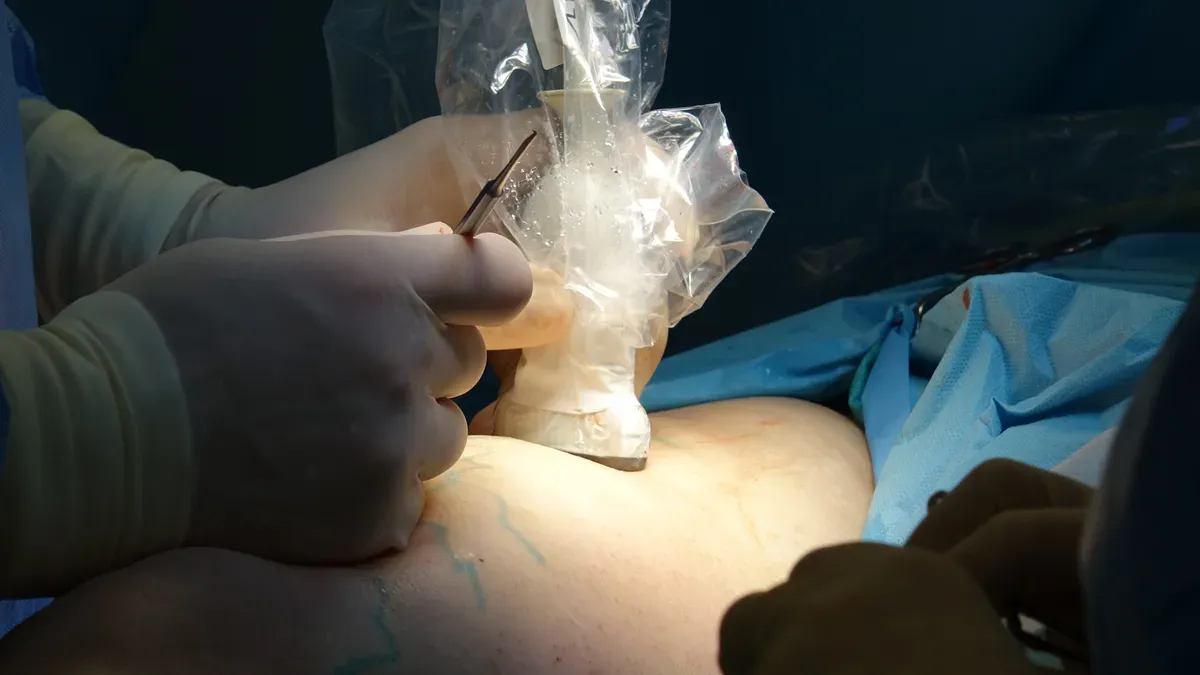
Importance in Laparoscopic Surgery
Specimen retrieval bags play a vital role in laparoscopic surgery. Surgeons use these bags to collect and extract tissue, organs, or stones during minimally invasive procedures. The bags help maintain a sterile environment and protect both the specimen and the patient. Many designs allow easy insertion through trocar cannulas in sizes such as 5, 10, or 12mm. Ergonomic one-handed operation and insert indicators ensure proper positioning, supporting efficient workflow and reducing contamination risk.
Specimen retrieval bags serve as receptacles for tissue, organs, and calculi; accommodate large specimens; are disposable and sterile; include introducers for easy deployment; and support ergonomic handling.
Risks of Poor Bag Selection
Choosing the wrong specimen retrieval bag can lead to serious complications. If the bag ruptures, sharp edges or excessive force may expose tissues to contamination — particularly when the specimen contains infectious material or malignant cells. Without proper containment, fluids such as bile, pus, or blood may spill into the peritoneal cavity, causing infection or other postoperative issues.
Research shows that port-site metastasis occurs in about 1–2% of laparoscopic cancer procedures when protective bags are not used. Malignant cells may transfer to trocar incisions, leading to further complications including compromised specimen integrity and increased surgical site infection risk.
Benefits of the Right Choice
Selecting the appropriate specimen retrieval bag improves safety and efficiency in minimally invasive surgeries. Secure sealing with a drawstring closure prevents bacterial escape during extraction, and the bag's wall separates the specimen from port edges and incision tissue. Studies show that laparoscopic surgery reduces surgical site infection rates compared to open procedures:
| Surgical Procedure | Open Surgery SSI Rate | Laparoscopic SSI Rate | Infection Reduction |
|---|---|---|---|
| Colorectal Surgery | 15.7% | 9.4% | 40.1% reduction |
| Cholecystectomy | 1.82% | 0.62% | 65.9% reduction |
| Urological Procedures | 4–8% | 2.5% | 37.5–68.8% reduction |
| General Abdominal Surgery | 8–12% | 3–5% | 41.7–62.5% reduction |
Bag Selection by Procedure Type
Common Laparoscopic Procedures
Surgeons select a specimen retrieval bag based on the specific needs of each laparoscopic procedure — considering specimen size, operation complexity, and available abdominal space.

Cholecystectomy
Cholecystectomy involves removing the gallbladder, often due to gallstones or inflammation. Nondetachable bags work well for routine cases because they attach to the introducer and simplify deployment and retrieval. Research indicates that retrieval bags may be especially important when the gallbladder contains infectious material or stones, though their routine use in elective cases remains debated in the literature.[1]
Appendectomy
Appendectomy removes the appendix, often due to acute inflammation or infection. Surgeons prefer nondetachable bags for routine appendectomy to streamline the process and minimize contamination risk. Detachable bags become useful when space is limited or multiple instruments are required. The bag prevents spillage of pus or infected tissue, helping reduce postoperative complications.
Gynecological Surgery
Gynecological laparoscopic procedures — including ovarian cystectomy, hysterectomy, and myomectomy — involve specimens that vary widely in size and shape. Surgeons often select detachable bags for flexibility with larger or irregular specimens. Transparent bags help confirm complete removal.
Oncological Cases
Oncological laparoscopic procedures require strict containment of cancerous tissues. Professional organizations strongly recommend using retrieval systems in all oncological cases. The specimen retrieval bag must prevent port-site metastasis by securely enclosing malignant cells. Medical-grade materials and reliable closure mechanisms are essential.
| Bag Type | Description | Recommended Use Cases |
|---|---|---|
| Detachable Bags | Separated from the insertion device after capturing the specimen. | Limited space or multiple instruments needed. |
| Nondetachable Bags | Permanently attached to the introducer for both deployment and retrieval. | Routine laparoscopic surgeries with lower complexity. |
Specimen Size and Bag Volume
Estimating Specimen Dimensions
Surgeons must estimate the size of the specimen before selecting a bag. Preoperative imaging — such as ultrasound or CT scans — provides initial measurements, which are then confirmed through visual assessment and palpation during surgery. The mouth diameter of the retrieval bag is a critical factor: for example, a 10-mm Endo Catch bag features a mouth diameter of approximately 6 cm × 7 cm, allowing removal of specimens up to 6 cm. Accurate estimation ensures the specimen fits comfortably and avoids complications.
Choosing the Right Bag Size
Most manufacturers offer retrieval bags in multiple sizes. The bag must accommodate the specimen without excessive stretching or risk of rupture. Surgeons also consider the surgical approach and available space within the abdomen.
| Bag Size | Typical Use Case | Mouth Diameter |
|---|---|---|
| Small (10–12 cm) | Tissue fragments, stones | 6 × 7 cm |
| Medium (15–18 cm) | Appendix, gallbladder | 8 × 10 cm |
| Large (20–25 cm) | Ovarian cysts, tumors | 12 × 15 cm |
Managing Unexpected Sizes
When a specimen appears larger or more irregular than anticipated, surgeons must adapt quickly — switching to a larger bag, using reinforced material, or enlarging the incision as needed. Preparation and flexibility help prevent delays and reduce risks.
Keep multiple bag sizes available in the operating room.
Choose bags with strong closure mechanisms.
Use transparent bags for easy visualization.
Consider alternative extraction methods if needed.
Specimen Retrieval Bag Material and Design
Material Options
Manufacturers use several materials to produce specimen retrieval bags, each offering distinct benefits:
Transparent TPU (Thermoplastic Polyurethane): Offers clarity for easy specimen visualization, plus flexibility and strength for various specimen sizes. A popular choice valued by surgeons.[3]
Polyethylene: Dominates the market by combining strength, flexibility, and affordability.
Polypropylene: Gaining popularity due to superior thermal stability and chemical resistance.
Rip-stop nylon / Polyester: Provide high tear resistance, crucial for maintaining bag integrity during challenging procedures.
Durability and Safety Features
Modern retrieval bag designs focus on enhanced tear resistance to ensure they do not rupture during extraction. Anti-slip surfaces and secure sealing mechanisms further minimize contamination risks. Regulatory bodies like the FDA and CE marking authorities enforce strict requirements, and compliance with ISO standards ensures manufacturers meet clinical validation and product quality benchmarks.[4]
| Material | Strength | Flexibility | Tear Resistance | Chemical Resistance | Thermal Stability |
|---|---|---|---|---|---|
| TPU | High | High | Moderate | Moderate | Moderate |
| Rip-stop nylon | High | Moderate | High | Moderate | Moderate |
| Polyethylene | High | High | Moderate | Moderate | Moderate |
| Polypropylene | Moderate | Moderate | Moderate | High | High |
| Polyester | High | Moderate | High | Moderate | Moderate |
Closure Mechanisms
The closure mechanism plays a vital role in safety and ease of use. Drawstring closures are common and user-friendly, allowing surgeons to seal the bag tightly around the specimen. Locking mechanisms provide extra security under pressure during extraction. Some advanced designs feature double-closure systems — particularly important in oncological procedures — while zipper-like seals and cinching systems offer quick, reliable closure. Automatic opening segments and graduated size markings continue to improve usability and patient safety.
Ease of Use and Instrument Compatibility
Bag Deployment and Retrieval
A well-designed bag allows the surgeon to insert and open it smoothly through the trocar, minimizing unnecessary movements. Common challenges during this process include bag rupture leading to field contamination, clinical liability if a failed bag results in patient harm, and pricing pressure that can compromise quality decisions.
Surgeons should confirm the bag is sterile and undamaged before starting any procedure. Teams must dispose of used bags according to medical waste standards. Only trained and qualified physicians should use these devices, and packaging must be checked for integrity and expiration dates.
Port and Instrument Fit
Instrument compatibility is crucial when selecting a specimen retrieval bag. The bag must fit through the chosen trocar size and work with all instruments used during the procedure.
| Compatibility Aspect | Details |
|---|---|
| Procedure Type | Match the bag to the most common procedures (e.g., standard bags for cholecystectomy, large reinforced bags for nephrectomy). |
| Trocar Compatibility | Ensure the deployment diameter fits standard trocars (e.g., 10mm vs. 12mm). |
Preventing Operative Delays
Specimen retrieval bags with simple deployment and reliable closure mechanisms help prevent operative delays. Teams should always have multiple bag sizes available to adapt to unexpected specimen dimensions. A focus on ease of use ensures the surgical team can deploy, fill, and remove the bag without unnecessary steps, reducing contamination risk and keeping the procedure on schedule.
Cost-Effectiveness and Value
Single-Use vs. Reusable Bags
Single-use bags offer a high level of sterility and reduce the risk of cross-contamination. They come pre-sterilized and are disposed of after one procedure. Reusable bags require cleaning and sterilization between uses, which can increase labor and equipment costs. Many hospitals prefer single-use bags for convenience and safety, especially in high-risk or oncological cases.
Reprocessed single-use medical devices have become popular in recent years — hospitals and surgical centers saved over $451 million in 2024 by using regulated reprocessed devices, which typically cost 30–50% less than new equipment.
Balancing Quality and Price
Healthcare systems must balance quality and price when purchasing surgical supplies. The decision depends on expected benefits for patient safety and infection control, durability and reliability of the bag, and overall cost compared to available alternatives. Hospitals that weigh these factors carefully make the best choice for their patients and staff.
Procurement Considerations
| Factor | Importance |
|---|---|
| Specimen size | Ensures proper fit and safe extraction |
| Specimen nature | Matches bag strength and leak resistance |
| Hazardous material handling | Protects staff and patients from exposure |
Quick Checklist for Bag Selection
Step-by-Step Guide
Identify the Procedure Type: Match the bag to the specific surgical procedure — different operations such as cholecystectomy or oncological cases may require different bag features.
Estimate Specimen Size: Assess expected specimen size using preoperative imaging or intraoperative evaluation, and select a bag that holds it comfortably without stretching or tearing.
Check Material Quality: Choose bags made from high-quality, durable materials that prevent leakage and rupture during extraction.
Evaluate Ease of Use: Look for wide openings, transparent walls, and secure closure systems to streamline retrieval and maintain efficiency.
Ensure Instrument Compatibility: Confirm the bag fits through the chosen trocar and works with all instruments used in the procedure.
Review Cost-Effectiveness: Balance quality with budget considerations. Single-use bags offer sterility and convenience, while reusable options may provide long-term savings.
Common Mistakes to Avoid
Using Non-Sterile or Damaged Bags: Always select sterile, single-use containers. Damaged or expired packaging increases contamination risk.
Improper Sealing or Labeling: Ensure the bag closes securely with a tamper-evident seal and standardized labeling for specimen tracking.
Choosing the Wrong Size: Avoid bags that are too small or too large — an improper fit can lead to spillage or extraction difficulty.
Overlooking Material Suitability: Select bags with materials appropriate for the specimen type; leak-proof materials are essential for liquid or infectious specimens.
Ignoring Instrument Compatibility: Verify the bag fits the surgical instruments and ports; incompatible bags cause delays or require additional incisions.
Choosing the right specimen retrieval bag requires careful attention to procedure type, specimen size, material quality, and ease of use. Matching the bag to surgical needs improves patient safety and efficiency. Proper selection reduces surgical risks, improves postoperative comfort and recovery speed, prevents abdominal contamination and infection, and increases retrieval efficiency.
Looking for Reliable Specimen Retrieval Bags?
Surgitools supplies CE-certified, disposable laparoscopic specimen retrieval bags in multiple sizes — engineered for safety, durability, and ease of use. Contact us today to discuss your specific requirements.
Our team typically responds within 24 business hours.
FAQ
References & Further Reading
Antoniou, S.A., et al. (2018). "Retrieval bag use in elective laparoscopic cholecystectomy — a systematic review." BMC Surgery. bmcsurg.biomedcentral.com
Society of American Gastrointestinal and Endoscopic Surgeons (SAGES). Guidelines on Minimally Invasive Surgery. sages.org/publications/guidelines/
Research and Markets. (2024). "Laparoscopic Retrieval Bag Market Analysis." researchandmarkets.com
U.S. Food & Drug Administration (FDA). "Guidance for Industry — Surgical Instrumentation." fda.gov