

 molly@surgitoolssh.com



Disposable Laparoscopic Dissector vs Reusable Instruments Which Is Right for Your Practice
 Jul 28, 2026|
 View:3
You want to choose the best laparoscopic dissector for your practice. Consider cost, safety, reliability, environmental impact, and procedure-specific needs. A disposable laparoscopic dissector offers guaranteed sterility and convenience, ideal for emergencies or complex cases. Reusable instruments provide long-term savings and reduce waste. Review the table below to quickly compare these factors and select the option that matches your clinical priorities and workflow.
| Factor | Disposable Instruments | Reusable Instruments |
|---|---|---|
| Cost | Higher initial cost but no reprocessing fees | Lower long-term cost with potential reprocessing expenses |
| Safety | Guaranteed sterility, ideal for infection control | Relies on strict reprocessing protocols for safety |
| Reliability | May be less reliable in complex cases due to fragility | Generally more reliable with proper maintenance |
| Environmental Impact | Increases medical waste generation | Reduces waste, more environmentally friendly |
| Procedure-Specific Needs | Preferred in emergencies or complex cases | Preferred for frequent, standard procedures |
Key Takeaways
Disposable laparoscopic dissectors offer guaranteed sterility, making them ideal for emergencies and complex cases.
Reusable instruments can save money over time, especially in high-volume practices, but require strict cleaning protocols.
Consider your practice size and procedure volume when choosing instruments; disposable tools suit low-volume settings, while reusable options benefit high-volume centers.
Evaluate the environmental impact of your choices; reusable instruments generate less waste and support sustainability efforts.
Prioritize patient safety by selecting instruments that ensure consistent performance and minimize infection risks.
Instrument Types Overview
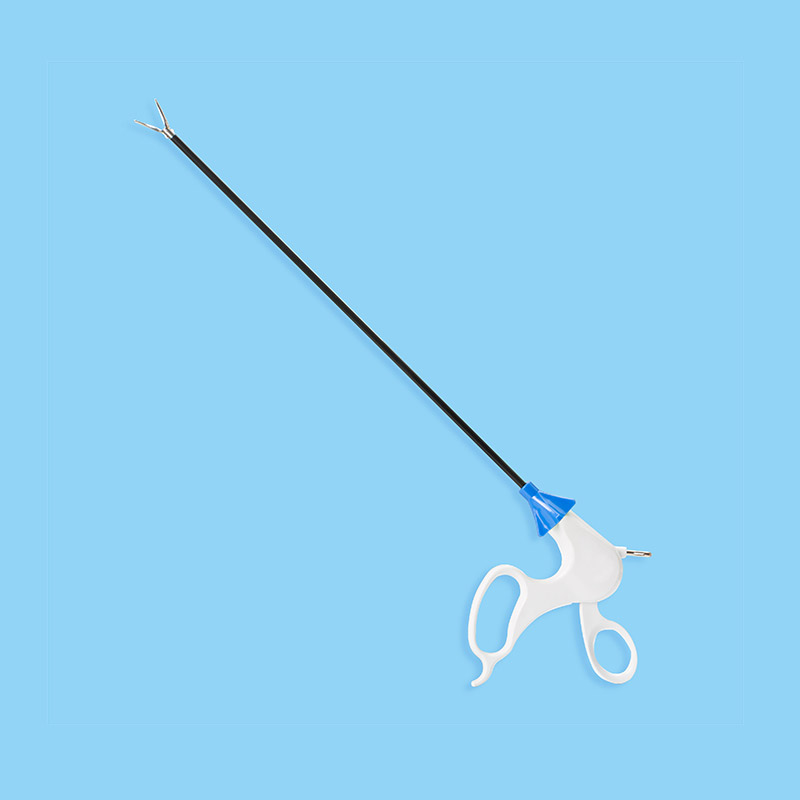
Choosing the right surgical tools can shape your practice's efficiency and patient outcomes. You will find two main options: disposable laparoscopic dissector and reusable surgical instruments. Each type brings unique advantages to your operating room.
Disposable Laparoscopic Dissector
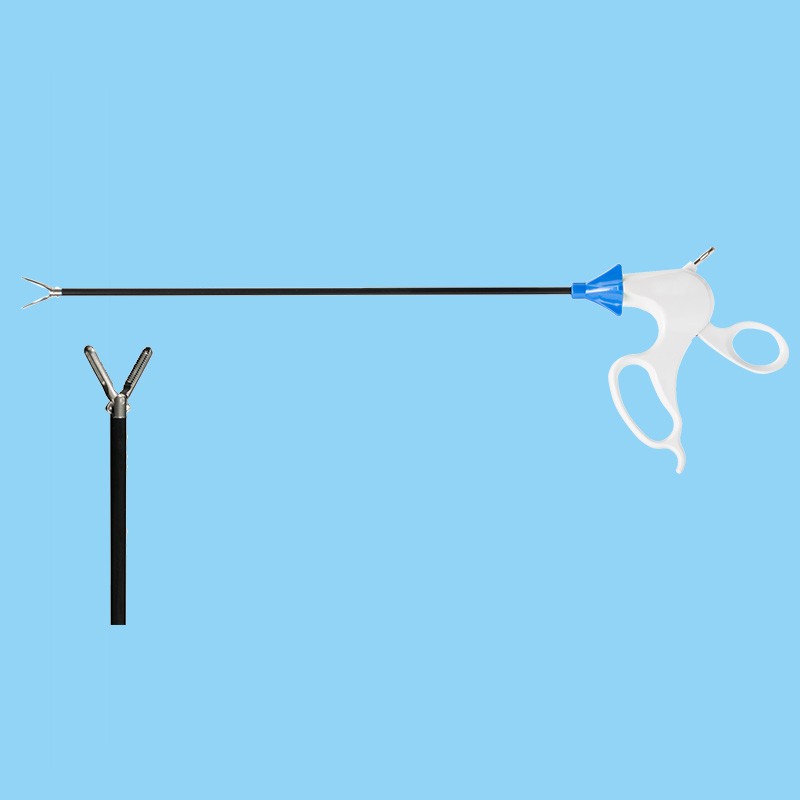
You use a disposable laparoscopic dissector when you want a sterile, ready-to-use tool for each procedure. These single-use devices eliminate the risk of cross-contamination. Surgitools offers a disposable laparoscopic dissector with features that support precision and comfort. The blue knob gives you easy maneuverability and a secure grip. The ergonomic design reduces hand fatigue, even during long surgeries. The four-bar mechanism ensures smooth, precise movement, so you feel in control at every step.
A large jaw aperture lets you adapt to different surgical needs. The 360-degree rotation knob allows you to adjust the instrument's angle quickly. Extended insulation protects you and your patient from stray currents. You can choose from several configurations, such as Maryland, fenestrated, tapered, and grasper. Surgitools packages these in single packs, boxes of ten, or cartons of one hundred, making supply management simple. Disposable surgical instruments like these guarantee sterility and consistent performance every time.
Reusable Surgical Instruments
Reusable surgical instruments are designed for multiple uses. You clean and sterilize them after each procedure. These tools offer durability and can lower costs over time. However, their performance may decline with repeated reprocessing. You must follow strict cleaning protocols, consistent with recognized clinical infection-control guidance on reprocessing reusable medical devices[1], to maintain safety and reliability.
Key Differences at a Glance:
| Feature | Disposable Instruments | Reusable Instruments |
|---|---|---|
| Sterility | Guaranteed sterility, eliminating cross-contamination | Subject to reprocessing, increasing infection risks |
| Performance | Engineered for single-use, optimal sharpness and alignment | Performance declines with each reprocessing cycle |
| Durability | No wear or fatigue, maintains mechanical integrity | Prone to wear and damage from cleaning and sterilization |
| Surgeon Confidence | Consistent performance, reduces fatigue | Performance variability can affect confidence |
You should consider these differences when selecting between a disposable laparoscopic dissector and reusable surgical instruments for your practice.
Cost Comparison
Initial Cost
You face a clear choice when you compare the initial cost of disposable laparoscopic dissectors and reusable surgical instruments. Disposable options require you to purchase a new instrument for every procedure. This means you pay a higher cost upfront each time you operate. Reusable surgical instruments demand a larger investment at the start. You buy them once, but you must also consider the cost of cleaning and sterilizing after each use. The cost comparison shows that disposable tools offer convenience, while reusable instruments provide savings over time.
Long-Term Value
When you look at long-term value, you need to think beyond the initial cost. Disposable laparoscopic dissectors remove the need for maintenance and sterilization. You avoid hidden costs, but you pay for each use. Reusable surgical instruments bring ongoing costs for cleaning, maintenance, and eventual replacement. Over time, reusable tools often break even after 50–100 uses. This makes them more cost-effective for practices that perform many procedures. You also generate less waste with reusable instruments, which can help your practice save money and support sustainability.
Ongoing maintenance and sterilization costs affect reusable surgical instruments.
Disposable laparoscopic dissectors eliminate these costs but result in recurring expenses.
Reusable instruments usually become more cost-effective after frequent use.
Reusable options create less waste compared to disposable tools.
Practice Size Impact
The size of your practice changes the cost comparison. High-volume practices benefit from reusable surgical instruments because the cost per use drops as you perform more procedures. Disposable laparoscopic dissectors lead to higher long-term costs in busy settings. Low-volume practices may find disposable options more cost-effective. You avoid the upfront investment and only pay for what you need.
| Practice Size | Cost Implications of Reusable Instruments | Cost Implications of Disposable Instruments |
|---|---|---|
| High-Volume Settings | More economical due to a lower cost per use, a finding supported by peer-reviewed cost-analysis research[2] | Higher long-term costs due to repeated purchases |
| Low-Volume Settings | Upfront investment may not be justified | More cost-effective for infrequent use |
Tip: Review your procedure volume and workflow to decide which option fits your budget and needs.
Safety Considerations
Sterility and Infection Risk
You need to protect patient safety during every surgical procedure. Sterility and infection risk play a major role in your decision between disposable and reusable laparoscopic dissectors. Disposable instruments arrive sterile, so you do not worry about contamination from previous cases. This reduces cross-contamination and supports infection control in your operating room. Hospitals often prefer single-use devices because they help meet strict infection control rules, in line with official U.S. guidance on reprocessing reusable medical devices[1]. You see a direct link between instrument sterility and surgical site infection rates, especially for high-risk patients.
Surgitools disposable laparoscopic dissectors feature extended insulation and secure packaging. These features help prevent contamination and stray currents, which further protect patient safety. You can trust that each instrument is ready for use and meets high standards for sterility and infection risk.
Note: Disposable laparoscopic dissectors eliminate the need for reprocessing, which lowers the risk of contamination and infection.
Disposable vs Reusable Protocols
You follow different protocols for disposable and reusable instruments. Disposable laparoscopic dissectors require no cleaning or sterilization. You open the package, use the instrument, and dispose of it after the procedure. This process minimizes cross-contamination and supports patient safety.
Reusable surgical instruments demand strict cleaning and sterilization protocols, consistent with established public-health guidelines for disinfection and sterilization in healthcare facilities[3]. You must ensure that every tool is free from contamination before the next use. If you miss a step, you increase the risk of infection and cross-contamination. You also face challenges with maintaining sterility over time. Performance may decline if you do not follow protocols exactly.
Disposable instruments: arrive sterile, reduce cross-contamination, support patient safety
Reusable instruments: require thorough cleaning and sterilization, risk contamination if protocols are not followed, depend on staff training and attention to detail
Regulatory Compliance
You must meet regulatory standards for both disposable and reusable laparoscopic dissectors. These standards focus on sterility, infection control, and patient safety. Hospitals and clinics rely on compliance to protect patients and avoid penalties.
| Aspect | Evidence |
|---|---|
| Sterility | Disposable laparoscopic dissectors arrive sterile, reducing infection risk from the outset. |
| Infection Control | Hospitals often prefer single-use devices to comply with infection control rules. |
| Impact on Surgical Outcomes | Instrument sterility is linked to surgical site infection rates, especially in high-risk patients. |
You see that disposable instruments make regulatory compliance easier. They arrive sterile and help you meet infection control standards. Reusable instruments require careful documentation and strict adherence to cleaning protocols. You must train your staff and monitor compliance to maintain patient safety.
Tip: Review your facility's infection control policies and regulatory requirements before choosing between disposable and reusable laparoscopic dissectors.
Reliability and Patient Outcomes
Instrument Consistency
You depend on consistent performance from your laparoscopic instruments. Disposable laparoscopic dissectors deliver reliability because each tool arrives sterile and ready for use. You never worry about wear or dullness. Every instrument is sharp and fully functional, which helps you predict how it will behave during surgery.
Disposable laparoscopic instruments are sterilely packaged and used only once, which virtually eliminates the risk of cross-contamination, leading to improved patient outcomes and reduced incidence of surgical site infections (SSIs). Each disposable instrument is new, sterile, and guaranteed to be sharp and fully functional, contributing to greater procedural predictability and potentially shorter operative times.
Reusable instruments may show signs of wear after repeated use. You must inspect them carefully before each procedure. If you miss a defect, you risk inconsistent performance. Disposable options remove this uncertainty. You open a new package for every case, so you know the instrument will perform as expected.
Disposable instruments guarantee a sterile product straight from the package, minimizing human error in sterilization.
They eliminate the risk of cross-contamination, especially important for high-risk procedures.
Single-use medical supplies can be the preferred choice to further reduce infection rates.
Surgical Performance
You want your surgical tools to support precise and efficient procedures. Disposable laparoscopic dissectors maintain optimal sharpness and alignment. You experience smooth operation and reduced fatigue, especially during long cases. The ergonomic design and advanced features, such as the four-bar mechanism and large jaw aperture, help you perform delicate maneuvers with confidence.
Reusable instruments may require more force as they age. You notice increased hand fatigue and less control. This can slow you down and affect your surgical rhythm. If a reusable instrument slips or tears tissue, you face longer operative times and higher risk of complications.
| Consequence | Clinical Impact | Operational Impact | Financial Impact |
|---|---|---|---|
| Tissue Trauma/Tearing | Increased risk of hemorrhage, larger area of necrosis, compromised healing. | Requires immediate hemostasis, prolonged operative time, increased risk of complication. | Higher utilization of expensive hemostatic agents and energy devices. |
| Blade Slippage/Second Cut | Risk of injury to adjacent structures (e.g., bowel, ureter, vessel) due to unintended blade travel. | Disruption of workflow, loss of surgical rhythm, mental fatigue for the surgeon. | Extended OR time (measured in $ per minute), increased liability risk. |
| Increased Force Requirement | Surgeon hand fatigue, magnified tremor, reduced fine motor control over the long shaft. | Longer procedure duration, necessitating breaks, potential for premature case termination. | Higher staff costs, reduced OR throughput. |
You see that disposable laparoscopic dissectors help you avoid these issues. You maintain control and precision, which supports better surgical outcomes and workflow efficiency.
Impact on Patient Outcomes
You strive to deliver the best care for your patients. Instrument reliability plays a key role in patient outcomes. Disposable laparoscopic dissectors reduce the risk of infection and complications. You use a new, sterile instrument for each procedure, which lowers the chance of surgical site infections. This is especially important for high-risk patients and complex cases.
Reusable instruments require strict protocols to maintain safety. If you miss a step in cleaning or sterilization, you increase the risk of cross-contamination. Disposable options simplify your workflow and help you meet infection control standards. You protect your patients and improve their recovery.
Tip: Choose instruments that support consistent performance and sterility. You enhance patient safety and surgical success.
Environmental Impact
Waste and Disposal
You see a growing concern about waste in hospitals, especially with the use of disposable medical devices. Single-use laparoscopic dissectors add to medical waste, making up a large part of the total waste weight in many facilities. The healthcare sector has experienced a 15% annual increase in waste since 1992, mainly because of disposable medical devices, according to peer-reviewed surgical research[4]. You can help manage this by practicing effective waste segregation. When hospital staff sort waste correctly, you improve recyclability and lower waste management costs.
Single-use laparoscopic dissectors contribute significantly to hospital waste.
Medical waste from disposable medical devices continues to rise each year.
Proper segregation of waste can reduce costs and improve recycling rates.
Sustainability of Reusable Instruments
You may want to consider reusable surgical instruments if you value environmental sustainability. Studies show that you can minimize surgical waste from routine procedures, which leads to cost savings and fewer greenhouse gas emissions. A life cycle assessment found that reusable instruments have a much lower environmental impact than disposable medical devices, per an academic life-cycle study[5]. This includes benefits for climate change, ecosystem quality, health, and resource use.
Studies indicate that a considerable amount of surgical waste from routine surgeries can be minimized, leading to both cost savings and a decrease in greenhouse gas emissions. A life cycle assessment revealed that reusable surgical instruments have a significantly lower environmental impact compared to disposable ones, affecting climate change potential, ecosystem quality, health impacts, and resource depletion.
You are not alone in caring about sustainability. Over 82% of surgeons support reducing the environmental impact of surgery, based on a published clinical survey[2]. However, only about half consider sustainability when choosing instruments. Limited access to reusable materials remains a challenge for many.
Eco-Friendly Practices
You can make a difference by adopting eco-friendly practices in your operating room. These practices reduce waste, energy use, and carbon emissions. Global public-health data on health-care waste[6] shows that hospitals track several metrics to measure sustainability, such as the amount of medical waste per surgery, the percentage of recyclable tools, and energy and water usage. You can also look for eco-friendly products and monitor the carbon output for each procedure.
Eco-friendly practices lower medical waste and energy consumption.
Hospitals track recycling rates and the use of sustainable products.
You can help improve sustainability by choosing greener options and monitoring your impact.
You play a key role in supporting sustainability in healthcare. By making informed choices, you help protect the environment and promote a healthier future.
Procedure Suitability
High-Volume vs Low-Volume
You need to match your instrument choice to your procedure volume. High-volume centers often select reusable laparoscopic dissectors. These instruments save money over time and deliver consistent performance in busy operating rooms. You can use them for specialized procedures and reduce recurring expenses. Low-volume facilities or clinics with limited infrastructure benefit from disposable dissectors. You avoid the upfront investment and minimize infection risk.
| Instrument Type | Best Suited For | Key Advantages | Key Disadvantages |
|---|---|---|---|
| Reusable | High-volume ORs, specialized procedures | Cost-effective, reliable | Requires cleaning, longer turnover |
| Disposable | Low-volume, time-sensitive procedures | Quick setup, sterile on arrival | Higher recurring costs |
Tip: Review your procedure volume and staff workload. Disposable options reduce downtime and staff effort, while reusable instruments offer savings for frequent use.
Complex vs Routine Cases
You face different demands in complex and routine surgeries. Complex cases require precision and sterility. Disposable laparoscopic dissectors arrive sterile and ready for use. You lower the risk of cross-contamination and ensure consistent performance. Routine procedures, such as standard laparoscopic surgeries, often use reusable instruments. You save money and maintain high performance with proper maintenance.
Complex cases: Disposable dissectors support infection control and immediate availability.
Routine cases: Reusable instruments deliver cost savings and reliability.
Note: Disposable dissectors suit high-risk patients and procedures where sterility cannot be compromised.
Emergency and Outpatient Use
You need speed and reliability in emergency and outpatient settings. Disposable laparoscopic dissectors provide rapid setup and guaranteed sterility. You avoid delays caused by instrument reprocessing. This makes disposable options ideal for time-sensitive procedures and urgent cases.
| Instrument Type | Advantages | Disadvantages |
|---|---|---|
| Disposable | Sterile, efficient, rapid setup | Higher cost per use |
| Reusable | Cost-effective, reliable for routine cases | Longer turnover, requires cleaning |
Emergency rooms and outpatient clinics often choose disposable instruments for immediate use.
You reduce cross-contamination risk and streamline workflow.
Choosing the right instrument for your procedure type improves patient safety and operational efficiency. You can adapt your toolkit to match your clinical needs.
Real-World Example
Practice Decision Process
Imagine you manage a busy surgical center. You want to improve patient safety and workflow efficiency. You gather your surgical team to discuss instrument options. You review your case volume, infection rates, and staff workload. You notice that your team spends a lot of time cleaning and sterilizing reusable instruments. You also see a few cases of surgical site infections linked to instrument reprocessing errors.
You decide to compare disposable laparoscopic dissectors with your current reusable tools. You create a checklist:
How often do you perform high-risk or emergency procedures?
What is your current infection rate?
How much time does your staff spend on instrument reprocessing?
What are your supply costs for both options?
Do you have enough storage space for bulk instrument packs?
You invite feedback from surgeons, nurses, and infection control staff. You ask them to test the Surgitools disposable laparoscopic dissector during several procedures. You track setup time, ease of use, and patient outcomes.
Outcomes and Lessons
You find that disposable laparoscopic dissectors reduce setup time. Your staff spends less time on cleaning and more time on patient care. You see a drop in infection rates, especially in complex and emergency cases. Surgeons report better grip and less hand fatigue with the ergonomic blue knob design.
You learn that disposable options work best for high-risk, emergency, or outpatient procedures. You also see that reusable instruments remain cost-effective for routine, high-volume surgeries. You decide to keep both options in your toolkit. You use disposable laparoscopic dissectors for cases where sterility and speed matter most.
Tip: Review your workflow and patient needs regularly. You can adjust your instrument strategy to improve safety, efficiency, and outcomes.
Decision Guide
Key Questions
You need to ask yourself several important questions before choosing between disposable and reusable laparoscopic dissectors. Consider these points:
Do you perform high-risk or emergency procedures often?
Is infection control a top priority in your practice?
How much time does your staff spend on cleaning and sterilizing instruments?
Does your facility have the resources for proper reprocessing?
Are you looking for consistent performance and reliability in every case?
What is your budget for surgical instruments?
Tip: Write down your answers. This helps you see which option fits your workflow and patient needs.
Pros and Cons Summary
You can compare disposable and reusable laparoscopic dissectors using the table below. This summary shows the main differences based on current evidence.
| Aspect | Disposable Instruments | Reusable Instruments |
|---|---|---|
| Sterility | Assured sterility, no risk of cross-contamination. | Risk of contamination, difficult to ensure true sterility. |
| Cost | Generally more cost-effective in the long run. | High initial costs, ongoing repair and maintenance costs. |
| Variety of Options | Wide range of options available, easy to obtain. | Limited variety due to high costs, often in disrepair. |
You see that disposable instruments offer guaranteed sterility and a wide selection. Reusable instruments require careful maintenance and may not always provide true sterility.
Choosing Segimedical
You want a reliable supplier for disposable laparoscopic dissectors. Segimedical delivers quality and consistency with Surgitools products. You benefit from features like the blue knob, ergonomic design, and extended insulation. You can select from multiple configurations and convenient packaging options. Segimedical helps you streamline your workflow and protect patient safety. You gain confidence knowing each instrument arrives sterile and ready for use.
Note: Segimedical stands out as a trusted source for disposable laparoscopic dissectors, supporting your practice with innovative solutions and dependable service.
You want to balance cost efficiency, safety, and optimal patient care when choosing between disposable and reusable medical devices. Disposable laparoscopic dissectors offer value and consistent performance, while reusable medical devices provide cost-effective solutions for high-volume practices. To evaluate suppliers, review key criteria:
| Evaluation Layer | Criteria | Targets/Specifications |
|---|---|---|
| Mechanism | Jaw alignment tolerance | <0.05mm post-actuation |
| Torsional backlash | <3-5 degrees under lateral load | |
| Mechanism friction | Linear force transmission, no stick-slip | |
| Material | Alloy grade documentation | DIN 1.4021 / 1.4034 / 1.4301 or ASTM equivalents |
Segimedical stands out for rigorous quality assessment, regulatory compliance, and technical support. You can trust their products to deliver cost efficiency and reliability for your surgical practice.
Need Reliable Disposable Laparoscopic Dissectors for Your Practice?
Segimedical (Surgitools) manufactures sterile, single-use laparoscopic dissectors with an ergonomic blue-knob design, four-bar mechanism, and multiple configuration options — built for consistent performance in emergency, complex, and routine cases. Get product specifications and a tailored quote for your facility.
Send an Inquiry NowFAQ
What are the main benefits of disposable laparoscopic dissectors compared to reusable instruments?
You get guaranteed sterility and quick setup with disposable laparoscopic dissectors. You avoid the risk of contamination that can occur with reusable tools. Disposable options save time, especially in emergencies, while reusable instruments require cleaning and careful inspection before each use.
How do you maintain safety when using reusable laparoscopic instruments?
You must follow strict cleaning and sterilization protocols for reusable instruments. You inspect each reusable tool for wear or damage before every procedure. Proper training and attention help you reduce infection risks. Disposable options arrive sterile, but reusable instruments depend on your staff's diligence.
Are reusable laparoscopic instruments more cost-effective for high-volume practices?
You see cost savings with reusable instruments in high-volume settings. You pay a higher upfront cost, but you reuse each instrument many times. Disposable options cost more per procedure. You must balance the recurring expense of disposables against the long-term value of reusable tools.
What environmental impact do reusable and disposable laparoscopic instruments have?
You reduce medical waste by choosing reusable laparoscopic instruments. You reuse each tool, which lowers landfill waste. Disposable devices increase waste, but you gain convenience. Hospitals often track waste and recycling rates. You help the environment by using reusable instruments and proper waste segregation.
Can you use reusable laparoscopic instruments for complex or emergency cases?
You can use reusable instruments for routine surgeries, but disposable options suit complex or emergency cases better. You get a sterile instrument every time with disposables. Reusable tools require careful cleaning and inspection. You must decide based on procedure risk and workflow needs.
Tip: Review your workflow and patient safety goals. You can combine disposable and reusable instruments to match your clinical needs.
| Instrument Type | Best Use Case | Key Advantage |
|---|---|---|
| Disposable | Emergency, complex | Sterile, ready to use |
| Reusable | Routine, high-volume | Cost-effective, eco-friendly |
A Complete Guide to Choosing the Right Wound Protector for Every Situation
References
U.S. Food and Drug Administration, "Reprocessing of Reusable Medical Devices," fda.gov
National Library of Medicine (PubMed), clinical survey on sustainability attitudes among surgeons, pubmed.ncbi.nlm.nih.gov
Centers for Disease Control and Prevention, "Guideline for Disinfection and Sterilization in Healthcare Facilities," cdc.gov
Springer Nature, Surgical Endoscopy, peer-reviewed research on surgical waste trends, link.springer.com
Springer Nature, Surgical Endoscopy, life-cycle assessment of reusable vs. disposable instruments, link.springer.com
World Health Organization, "Health-care Waste" fact sheet, who.int
Springer Nature, Surgical Endoscopy, cost-per-use analysis of reusable surgical instruments, link.springer.com